If you are wondering how to improve gum health, you are already taking a smart step for your smile and your overall wellness. Healthy gums do much more than frame your teeth. They protect bone, anchor teeth securely, and create a seal that keeps harmful bacteria out of your bloodstream.
The Importance of Gum Health
Gum disease starts quietly. Gingivitis is early, surface-level inflammation of the gums. If plaque is not removed, it can progress to periodontal disease, a deeper infection that damages the tissues and bone that hold your teeth in place.
The good news is that gum disease is common and very preventable with simple daily habits. In this guide, All Smiles Care shares 5 dentist-approved steps you can start today to strengthen your gums and protect your health. Our Westminster, Maryland team proudly supports Carroll County families with guidance and cleanings that help stop gum disease before it starts.
Key takeaways
Put these actions into play right away for healthier gums.
- Brush twice daily with fluoride toothpaste and a soft-bristled brush, clean between teeth once a day, and see your dentist regularly.
- Choose a therapeutic mouthwash, such as formulas with cetylpyridinium chloride or essential oils, and use it after brushing and flossing to help control plaque and gingivitis.
- Schedule professional cleanings and exams at least twice a year, or more often if advised, to remove tartar and catch early signs of gum disease before they worsen.
Why gum health matters for your whole body
Plaque is a sticky film of bacteria that forms along the gumline. When it is not removed, the gums become inflamed and bleed easily, which is gingivitis. Over time, inflammation and bacterial toxins can damage the supporting bone and connective tissue, leading to periodontal disease that threatens tooth stability.
Research links chronic gum inflammation with a higher risk of heart disease, and gum disease can make diabetes harder to manage. Inflamed gums add to the body’s overall inflammatory burden, which may influence cardiovascular health. For people with diabetes, gum inflammation can make blood sugar more difficult to control.
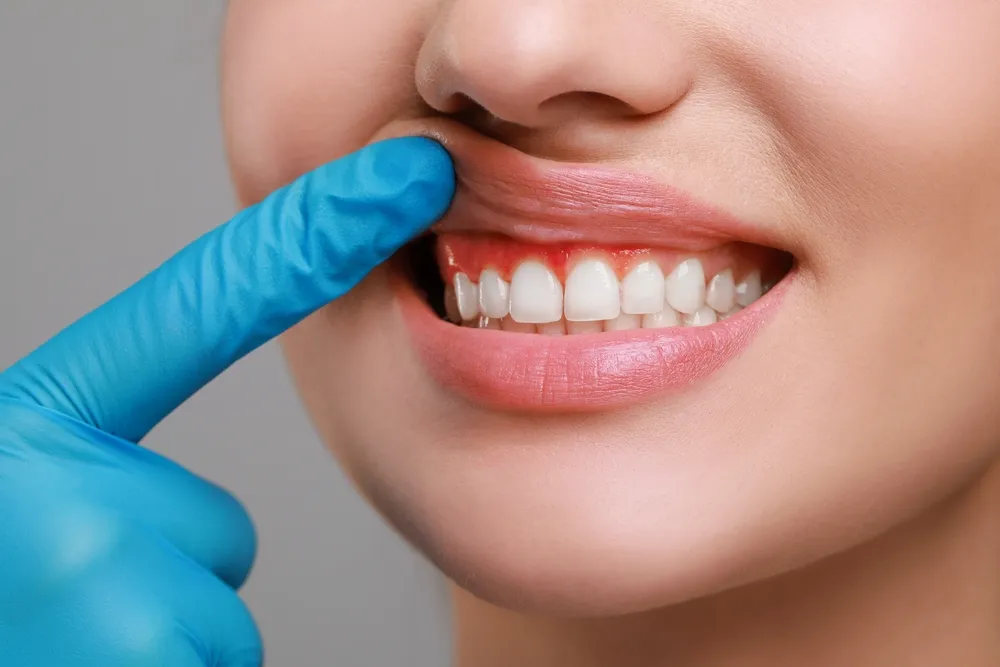
Healthy gums are firm, pale pink, and do not bleed when you brush or clean between your teeth. If you want to know what is good for gum health, focus on habits that consistently remove plaque and reduce inflammation. Daily care is a simple, powerful investment in both oral and overall wellness.
Step 1: Brush gently with the right technique and tools
The fastest way to start improving gum health is to refine how you brush. Proper technique removes more plaque at the gumline without irritating delicate tissues, which helps reverse early gingivitis.
Use a soft-bristled toothbrush and fluoride toothpaste. Soft bristles clean effectively while being gentle on gums and enamel. Fluoride helps disrupt plaque growth and strengthens tooth surfaces near the gums where decay and inflammation often begin.
To keep momentum in improving gum health quickly, commit to 2 minutes of mindful brushing in the morning and again at night. Replace your toothbrush every three to four months, or sooner if the bristles fray, since worn bristles clean less effectively.
- Angle the bristles about 45 degrees toward the gumline.
- Use short, gentle strokes, moving in small circles or a back-and-forth motion.
- Clean the outer, inner, and chewing surfaces of every tooth, including along the gumline.
- Brush for a full two minutes, morning and night.
- Choose an ADA-accepted fluoride toothpaste and a soft-bristled brush, and replace the brush every 3 to 4 months.
Step 2: Clean between teeth once a day to reach hidden plaque
Toothbrush bristles cannot reach the tight contacts between teeth, which means brushing alone leaves plaque behind. That missed plaque is a common starting point for gingivitis.
Choose the interdental method you will use daily. Traditional dental floss works well when used with a gentle C-shape that hugs the tooth and slips slightly under the gumline. Floss picks and small interdental brushes can help if you have tight spaces or dexterity challenges, and a water flosser is another effective option that many patients find easy and comfortable.
A little bleeding during the first several days is common if you have not been cleaning between your teeth. As gums heal, the bleeding should decrease. Consistency matters most, and the American Dental Association recommends cleaning between teeth once a day.
Step 3: Rinse with a therapeutic mouthwash for extra protection
Not all mouthwashes are the same. Cosmetic rinses freshen breath temporarily, but therapeutic mouthwashes target the bacteria that drive plaque, gingivitis, and halitosis.
Look for active ingredients such as cetylpyridinium chloride or essential oils that help reduce plaque and gum inflammation.
Rinse after you brush and clean between your teeth so the mouthwash can reach areas that are already free of debris. Mouthwash is a helpful extra step, but it is not a replacement for brushing or interdental cleaning.
Step 4: Eat and live in a way that supports healthy gums
Diet and lifestyle choices directly influence gum health. Sugary and starchy foods feed acid-producing bacteria that irritate gums and weaken tooth surfaces near the gumline.
Build your plate to support gum tissue and the bone that anchors teeth. Vitamin C helps prevent bleeding gums and supports healing. Calcium contributes to a strong jawbone around teeth, which helps keep gums stable and teeth secure.
Simple daily choices make a difference. Drink water often, snack smart, and avoid tobacco products that make gum disease harder to control and slower to heal.
Step 5: Stay on schedule with professional cleanings and exams
Even with excellent home care, plaque can harden into tartar, a mineralized deposit that cannot be removed at home. Tartar traps bacteria at the gumline and under the gums, which keeps inflammation active.
Professional cleanings and exams at least twice a year, or more often if advised, allow your dental hygienist and dentist to remove tartar, check for gingivitis, and give you personalized guidance. During a gum evaluation, we measure pocket depths around teeth, check for bleeding, and assess areas that need added attention.
When gum disease is caught early, it can often be reversed. All Smiles Care is your Westminster, MD partner for comfortable prevention and tailored care that helps you keep your gums healthy for life.
Warning signs of gum trouble you should not ignore
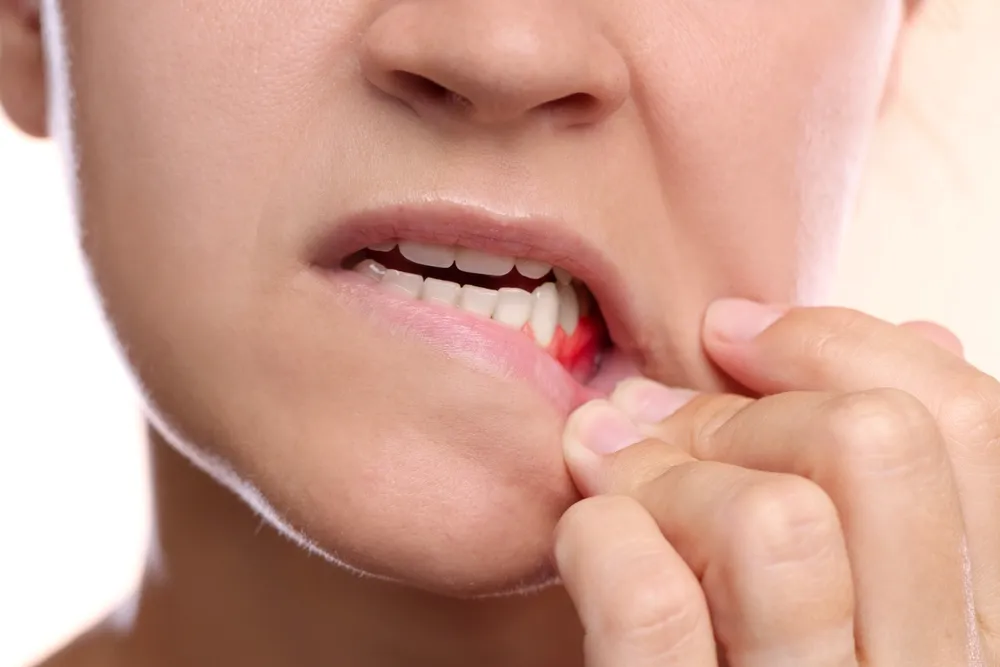
Gums should not bleed when you brush or clean between your teeth. If they do, it is a sign of inflammation that needs attention.
Watch for changes along the gumline. Redness, swelling, or tenderness can indicate gingivitis. Persistent bad breath or a bad taste may also signal a bacterial imbalance that simple breath mints will not fix.
More advanced warning signs include gum recession that makes teeth appear longer and any looseness or shifting of teeth. These changes can point to periodontal disease, which needs prompt professional care. All Smiles Care can help determine whether your symptoms reflect early gingivitis or a more advanced condition.
Stronger gums start today: contact All Smiles Care in Westminster, MD
Pick one habit from this guide and start today. Small steps, done consistently, add up to healthier gums and a brighter smile.
If you have bleeding gums, pain, or questions about your routine, contact All Smiles Care for a professional evaluation. We provide gentle, thorough cleanings, gum assessments, and personalized home-care coaching for families throughout Westminster and Carroll County, Maryland. Call our Westminster office or request an appointment online to get started.
Frequently Asked Questions
How does flossing help improve gum health?
Cleaning between teeth removes plaque that a toothbrush cannot reach. This reduces the bacteria and toxins that irritate the gums, which helps stop bleeding and reverses early gingivitis. Use a gentle C-shape with traditional floss, or choose floss picks, interdental brushes, or a water flosser if those make daily cleaning easier.
Which mouthwash should I use to support gum health?
Select a therapeutic mouthwash with proven anti-plaque ingredients, such as cetylpyridinium chloride or essential oils. Look for the ADA Seal of Acceptance and use the rinse after brushing and cleaning between teeth. Mouthwash supports gum health but does not replace brushing or interdental cleaning.
How often should I get professional cleanings to protect my gums?
Most people benefit from professional cleanings and exams at least twice a year. If you have signs of gingivitis, a history of periodontal disease, or other risk factors, your dentist may recommend more frequent visits to control inflammation and remove tartar promptly.