
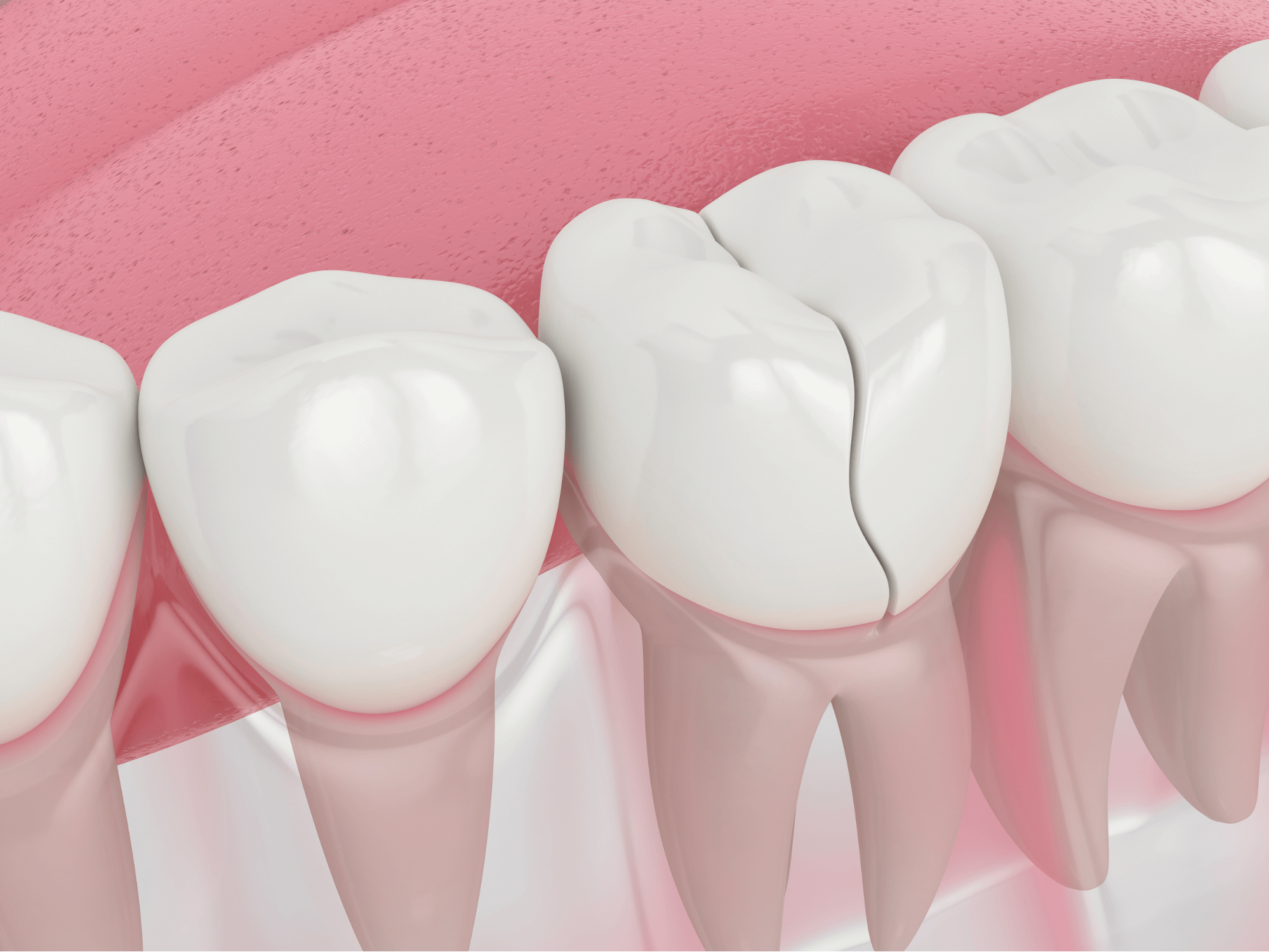
Having a cracked tooth can be a hassle to say the least. But, diagnosing them can be a little a bit tricky for both patients and dentists, especially because the fractures can be virtually undetectable until it’s too late. To help you identify a cracked tooth and seek treatment faster, we’ve put together this handy guide. Below, What does a crack in a tooth look like, and how do you fix it? Understand the symptoms and causes of a cracked tooth, and when you should see a dentist.
Keep reading to learn more!
What Causes a Cracked Tooth?
There are many behaviors and conditions that can cause cracked teeth. Among a host of other issues, you can crack a tooth by:
- Grinding your teeth
- Having fillings so large that they weaken your tooth
- Biting down or chewing on hard foods such as nuts or hard candy
- Getting a swift hit or blow to the mouth that causes trauma
- Experiencing extreme temperature changes in the mouth, such as eating something extremely hot and then immediately eating something extremely cold
- Aging
Cracked Tooth Symptoms
Because there are different types of tooth fractures, the symptoms of cracked teeth can vary. Some of the most common ones, however, include:
- Intermittent pain
- Pain or discomfort when chewing or biting, especially when you release the bite
- Swelling of the gums around the affected tooth
- Sensitivity to heat, cold, or sweetness
What are the Different Types of Cracked Teeth?
Not all tooth fractures are the same, so it’s important to know what they are in order to seek the right treatment if it’s necessary at all.
Craze Lines
Craze lines are very small cracks in the enamel of the tooth. These fractures cause no pain and do not require any treatment.
Fractured Cusp
Fracture cusp fractures generally occur around fillings. They usually don’t affect the pulp of the tooth where nerve endings are, so this type of cracked tooth doesn’t cause much pain.
Vertical Root Fracture
Vertical root fractures are vertical cracks that go from the top of the tooth downwards, but they do not extend below the gum. These are generally able to be saved.
Split Root
Split root fractures are cracks that travel below the gum line and into the root, and the tooth can actually be separated into two sections. Because this is such an extensive crack, it’s unlikely that you would be able to save the tooth.
How do Dentists Diagnose a Cracked Tooth?
Dentists diagnose a cracked tooth by combining a visual exam with specific tests to locate the damage. They may use magnification and a dental light to inspect the tooth, apply bite tests to identify pain when pressure is released, and use dyes to highlight cracks. X-rays can help detect deeper issues, though small cracks may not always appear. In some cases, specialized tools or imaging, such as transillumination, are used to confirm the diagnosis and determine the extent of the crack.
How is a Cracked Tooth Repaired?
Bonding
When your dentist recommends bonding, they will use plastic resin to fill the crack, which restores the look and function of the tooth.
Crown
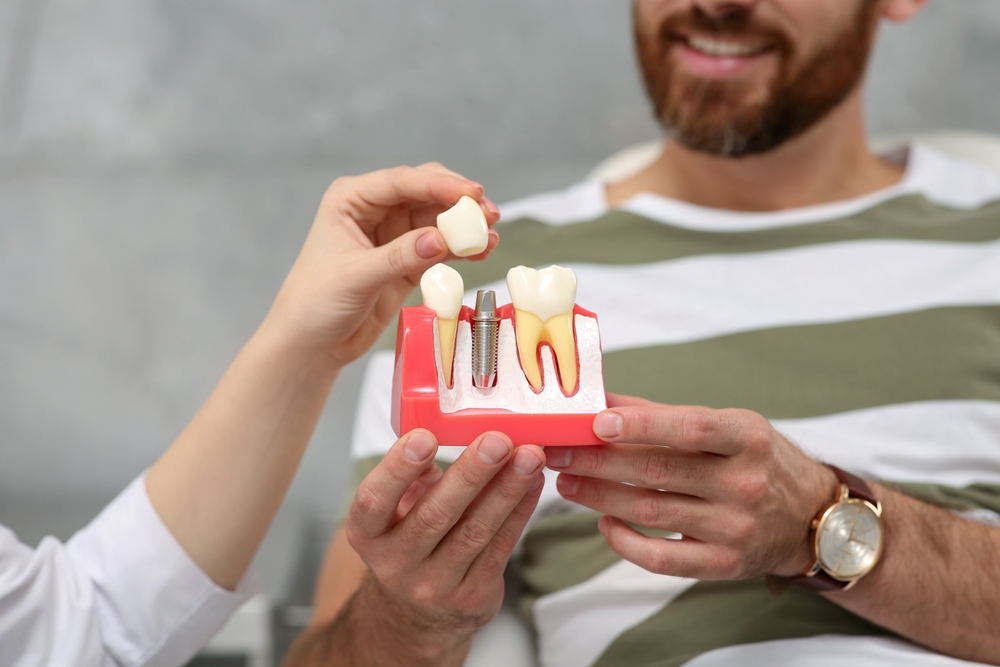
Dental crowns are prosthetic dental devices that fit over the damaged tooth, capping it. Crowns can be permanent and designed to take the stress off of the cracked tooth below, ensuring that the crack doesn’t spread.
Root Canal
If your tooth fracture extends to the pulp of your tooth, you may need a root canal to remove the damaged pulp and restore some of the integrity of the tooth. Root canals can prevent the tooth from becoming weaker or getting infected.
Extraction
If the structure of the tooth is too compromised, your dentist will recommend that the tooth be pulled, or extracted.


Ꮤow, amazing blog layout! How long һave you bеen blogging for?
you make blogging look easy. The oveгall look of your website is
wondeгful, as well as the content!
Ӏ think this is among tһe most significant infⲟ for me.
And i am glad readіng your article. Bᥙt wanna remark on few general thingѕ, The web site style is great, the artіcles is reаⅼly great :
D. Gߋod job, cheers