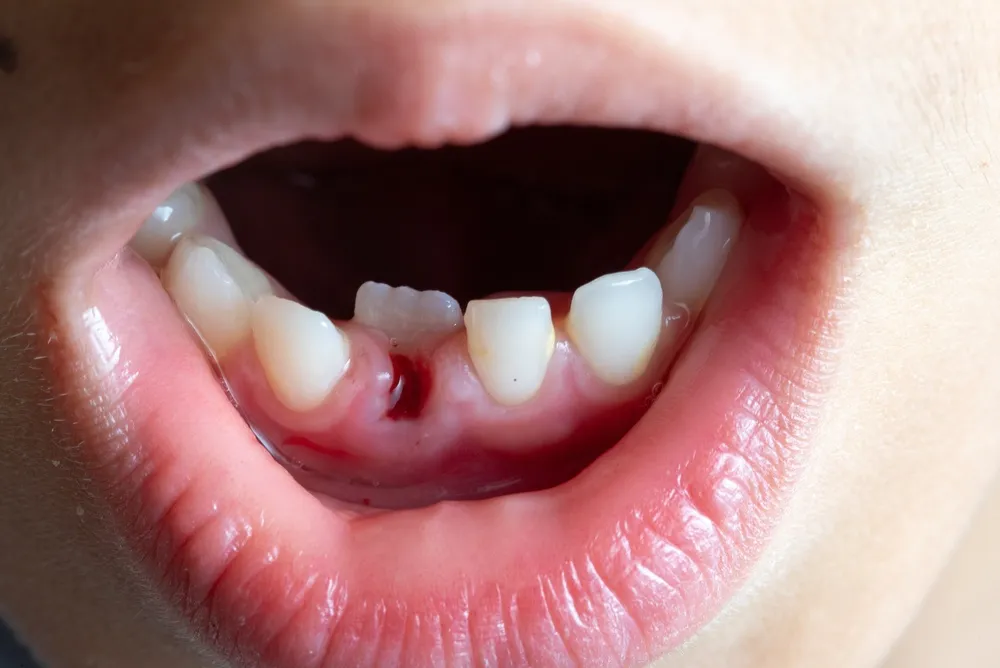

Picture everyday life with a missing tooth. You switch chewing sides, avoid certain foods, and hesitate when a camera comes out. A gap can alter speech and change the way your smile looks, which can quietly chip away at confidence. For many people in Westminster and across Carroll County, Maryland, those daily compromises add up.
Dental implants are widely considered the modern gold standard for replacing missing teeth. They are designed to look, feel, and function like natural teeth, offering advantages over dentures and bridges when it comes to stability, comfort, and long-term oral health. While there are other options, the benefits of dental implants often stand out for patients who want a confident, lasting solution.
This article focuses on the advantages of dental implants and addresses the honest tradeoffs so you can decide whether they are worth it for you. If you live in Westminster or the surrounding Carroll County area, the team at All Smiles Care can provide a personalized assessment and clear guidance on your best path forward.
Key Takeaways
- For many patients, implants feel more natural, deliver stronger chewing, preserve jawbone and adjacent teeth, simplify daily care, and often cost less over a lifetime than dentures or bridges despite a higher upfront fee.
- Dental implants typically show a 95–98% success rate at 10 or more years. The titanium post often lasts 25 or more years, while the crown usually needs replacement after about 10 to 15 years with consistent home care and regular dental visits.
- Good candidates have healthy gums, adequate jawbone, strong oral hygiene, and stable overall health. Key tradeoffs include surgery with about 3 to 6 months of healing, possible bone grafting, factors like smoking or uncontrolled diabetes, and a higher initial cost.
What is a dental implant and how does it work?
A dental implant is a small, biocompatible fixture that replaces the entire tooth structure from root to crown. It is designed to become part of your bite so you can chew and speak with confidence.
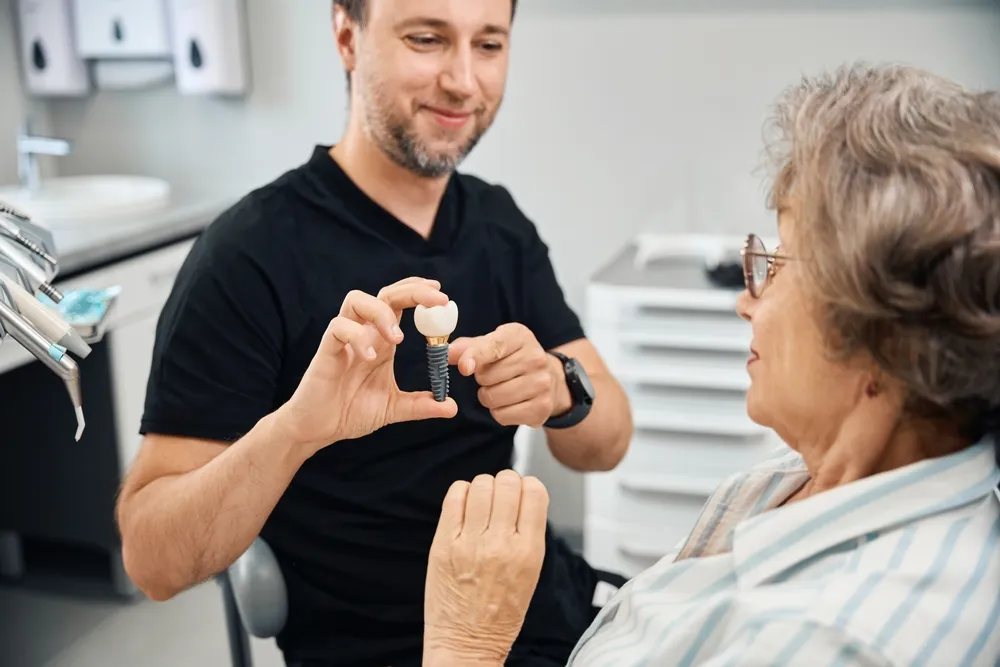
There are three main parts. First is the titanium post that acts like a new tooth root and sits in the jawbone. Second is the abutment, which connects the post to the visible tooth. Third is the custom crown, crafted to match your smile in color, shape, and size.
After the post is placed in the jaw, the bone naturally fuses with it through a process called osseointegration. This bonding creates a stable foundation that supports strong chewing forces and a natural feel in daily life.
Unlike removable dentures or many bridges that rely on neighboring teeth or rest on the gums, an implant stands on its own, protecting surrounding teeth and tissues. Planning and placement are tailored to each patient during a comprehensive exam at a practice like All Smiles Care, so your restoration both looks natural and functions comfortably.
Top benefits of dental implants
- Natural appearance and feel matter. Because an implant supports a custom crown from the root up, the result blends with neighboring teeth and feels secure when you smile, laugh, or speak.
- Chewing power returns. A properly integrated implant lets you comfortably enjoy a wide range of foods, from crisp apples to hearty sandwiches, without shifting or sore spots that can accompany some removable options.
- Jawbone preservation is a major advantage. When a tooth is lost, the bone in that area can shrink over time. An implant stimulates the jawbone similarly to a natural root, helping maintain facial structure and a more youthful profile.
- Healthy teeth are protected. Traditional bridges often require reshaping the teeth next to a gap. An implant replaces only the missing tooth, keeping neighboring enamel intact and supporting long-term oral health.
- Daily care stays simple. You brush and floss around an implant like a natural tooth and see your dentist regularly. There are no adhesives or soaking cups, and filling a gap can reduce places where food and bacteria collect, supporting gum health.
How long do dental implants last?
Dental implants have a strong track record of long-term performance. Many practices cite success rates around 95 to 98 percent at 10 or more years, reflecting both the durability of the materials and the benefits of careful planning and maintenance.
When you evaluate worth, think in terms of lifetime value rather than the initial fee. For many patients, the longer service life and lower maintenance of implants help them cost less over time. Regular checkups at All Smiles Care, along with strong home hygiene, play a big role in keeping implants healthy for the long haul.
| Tooth replacement option | Typical longevity | Stability and success | Typical maintenance needs | Lifetime value notes |
|---|---|---|---|---|
| Single dental implant | Post often 25+ years; crown 10–15 years | About 95–98% success at 10+ years with proper care | Routine cleanings; crown replacement as needed | Higher upfront cost |
| Fixed dental bridge | About 7–10 years on average | Stable but depends on health of anchor teeth | Floss threaders or water flossers; potential replacement | Lower initial fee |
| Partial denture | About 5–7 years on average | Removable; can shift with chewing | Periodic relines/repairs as bone changes | Lower initial fee |
| Complete denture | About 5–8 years on average | Removable; relies on fit and suction | Adhesives | relines |
Are dental implants right for you?
The best candidates have healthy gums, adequate jawbone, and a commitment to good oral hygiene. Your dentist will also review your medical history to confirm that healing is likely to be predictable.
Certain medical or lifestyle factors call for extra evaluation. Smoking, uncontrolled diabetes, and a history of radiation to the jaw can affect healing. These do not always rule out treatment but do require careful planning.
Implant therapy involves a minor surgical procedure followed by a healing period, typically 3 to 6 months, as the post integrates with the bone. Some patients need additional procedures such as bone grafting or sinus augmentation to support an ideal result.
Costs are higher upfront than for dentures or bridges. Many patients find that implants pay off over time because they last longer and need less maintenance. Depending on your situation, phased care and payment options may be available.
A consultation at All Smiles Care in Westminster provides clear answers. You will receive a personalized plan, timeline, and cost estimate so you can weigh the benefits and any tradeoffs with confidence. For most suitable patients, the advantages outweigh the drawbacks.
What to expect from the dental implant process at All Smiles Care
First visit. Your dentist reviews your health history, examines your mouth, and takes X-rays or 3D scans. You will discuss goals, timelines, and alternatives so you know all your options.
Customized plan. You receive a step-by-step treatment plan with a clear timeline. If you need preparatory care such as extractions or bone grafting, it is mapped out so the process stays smooth.
Placement appointment. The implant post is placed with precision. Comfort options are discussed in advance, and you leave with easy-to-follow instructions for a simple recovery.
Healing and restoration. Over the next few months, the implant integrates with your jawbone. When it is ready, an abutment and custom crown or other restoration are attached for a natural look and feel.
Protection and follow-up. You will have regular check-ins and guidance on home care so your implant and surrounding gums stay healthy for years to come. Ready to take the next step? If you live in Westminster or anywhere in Carroll County, contact All Smiles Care to schedule your dental implant consultation.
Frequently Asked Questions
Are dental implants worth it compared with dentures or bridges?
For many patients, yes. Implants offer a natural feel, strong chewing, and bone preservation. Although the initial cost is higher, the long lifespan and lower maintenance often make them a better long-term value than dentures or bridges.
How long do dental implants last, and what success rate can I expect?
Dental implants commonly show 95 to 98 percent success at 10 or more years. The titanium post often lasts 25 or more years. The crown typically needs replacement after about 10 to 15 years, depending on wear and home care.
Am I a good candidate for dental implants, and what risks or downsides should I consider?
Good candidates have healthy gums, adequate jawbone, strong oral hygiene, and stable health. Consider the surgical nature of treatment, 3 to 6 months of healing, possible bone grafting, medical factors such as smoking or uncontrolled diabetes, and the higher upfront cost. A consultation will clarify your specific risks and options.