
Dental emergencies can be frightening, painful, and stressful—especially when they strike outside of normal business hours or involve a child. The good news is that most urgent dental problems are treatable, and quick action dramatically improves comfort and outcomes.
A dental emergency can involve any tooth, gum, or jaw issue that requires same-day evaluation to control pain, stop bleeding, save a tooth, or treat infection. This guide explains the most common emergencies, how to safely handle them temporarily at home, and when to call a dentist versus go straight to the emergency room.
All Smiles Care, led by Dr. Akiva Salhanick, is a trusted family and emergency dentist in Westminster, Maryland. We offer prompt, compassionate care for Carroll County families, often with same-day appointments. If you’re in pain or worried about an oral issue, call our Westminster office for guidance and to be seen as quickly as possible.
Key Takeaways
Use these quick, actionable points to make safer choices in the first minutes of a dental crisis.
- Some dental problems can’t wait. Severe pain, swelling, uncontrolled bleeding, knocked-out teeth, and signs of infection should be evaluated immediately to prevent complications and improve treatment outcomes. However, minor sensitivity or a small chip can usually wait.
- Acting quickly can save your tooth. Prompt care for knocked-out, cracked, or displaced teeth significantly increases the likelihood of successful treatment and reduces the risk of permanent damage.
- When in doubt, call your dentist. Many situations that seem minor can worsen if left untreated. A quick evaluation can help determine whether you need emergency, urgent, or routine care.
What Counts as a Dental Emergency?
A true dental emergency involves symptoms that threaten your health, risk tooth loss, or cause significant pain you can’t manage at home. Not every problem is an immediate emergency. If you’re unsure, always err on the side of caution and call our Westminster team. We’ll help you decide the safest next step.
Our chart below can help you decide when to call 911 and head to the ER, when to contact an emergency dentist immediately, and when you can wait until your next scheduled dental visit:
| Category | Examples | Action to take |
|---|---|---|
| Emergency | Severe toothache with swelling or fever Knocked-out adult tooth Uncontrolled bleeding Spreading infection Suspected abscess Suspected jaw fracture |
Seek immediate care. Contact an emergency dentist right away. Go to the ER or call 911 if swelling affects breathing or a jaw fracture is suspected. |
| Urgent (within 24 hours) | Cracked or broken tooth without severe pain Lost filling or loose crown Mouth injury with controlled bleeding Broken orthodontic wire causing pain or irritation |
Call your dentist as soon as possible for a same-day or next-day appointment and home-care guidance on managing symptoms. |
| Routine | Minor sensitivity to temperatures Small, painless chip Minor gum irritation after flossing |
Schedule a regular dental visit and monitor symptoms for any changes. |
The Most Common Dental Emergencies at a Glance
Dental emergencies can happen unexpectedly, whether from an accident, injury, infection, or sudden pain. While some issues may seem minor at first, delaying treatment can lead to more serious complications and costly repairs.
Some of the most common dental emergencies include:
- Severe toothache or sudden tooth pain that doesn’t go away or interferes with eating, sleeping, or daily activities
- Knocked-out teeth or teeth that have been loosened, displaced, or pushed out of alignment after an accident
- Dental abscesses or infections, especially when accompanied by facial swelling, fever, or a bad taste in the mouth
- Lost fillings, loose crowns, or damaged bridges that leave teeth vulnerable to sensitivity and further damage
- Uncontrolled bleeding from the gums or injuries to the lips, cheeks, tongue, or other soft tissues
- Suspected jaw fractures or significant facial trauma, which require immediate medical attention through an emergency room or by calling 911
If you’re unsure whether your situation qualifies as a dental emergency, it’s always best to contact your dentist as soon as possible. Prompt evaluation and treatment can help relieve pain, prevent complications, and protect your long-term oral health.
Severe Toothaches, Swelling, and Dental Abscesses
Severe tooth pain is often a sign of an underlying problem, such as deep decay, a cracked tooth, or advanced gum disease. When bacteria reach the inner pulp of the tooth, they can cause intense, throbbing pain that may worsen when chewing, lying down, or consuming hot or cold foods and drinks.
Warning signs of a dental abscess include facial swelling, a pimple-like bump on the gums, a bad taste or foul odor in the mouth, fever, and general malaise. These symptoms often indicate a serious infection that requires prompt treatment.
It’s important not to ignore swelling or fever alongside a toothache. Left untreated, a dental abscess can spread to the jaw, face, and surrounding tissues, leading to serious health complications. Same-day dental care is often necessary to control the infection and relieve pain.
Until you can be seen by a dentist, applying a cold compress to the outside of the face, keeping your head elevated, and taking over-the-counter pain relievers as directed may help manage discomfort. Avoid placing aspirin directly on the gums, as it can damage soft tissue. If there is no active bleeding, a gentle warm saltwater rinse may also provide temporary relief.
If necessary, emergency care may include antibiotics, abscess drainage, root canal therapy to save the tooth, or extraction when necessary. Our priority is comfortable, pain-free care, with sedation options available for anxious patients.
Chipped, Cracked, or Broken Teeth
Teeth can chip or crack from chewing ice or hard candy, using teeth as tools, sports collisions, or accidental falls. While some damage may appear minor, deeper fractures can expose sensitive tooth structures and lead to pain, infection, or further breakage if left untreated.
Symptoms of a more serious fracture include pain when biting, lingering sensitivity to hot or cold temperatures, and sharp edges that can irritate or cut the tongue and cheeks. If part of the tooth breaks off, save any pieces in milk or saliva if possible, avoid chewing on the affected side, and contact your dentist as soon as possible.
Treatment depends on the extent of the damage. Small chips can often be repaired with dental bonding or a filling, while larger fractures may require an onlay or dental crown. If the crack extends into the tooth’s nerve, root canal therapy may be needed to relieve pain and save the tooth. Regardless of the treatment used, cosmetic results are often excellent after proper restoration.
Dental professionals emphasize that cracked or broken teeth should be evaluated promptly, as timely treatment reduces the chance of infection and increases the likelihood of saving the tooth.
Knocked-Out or Dislodged Teeth and Jaw Injuries
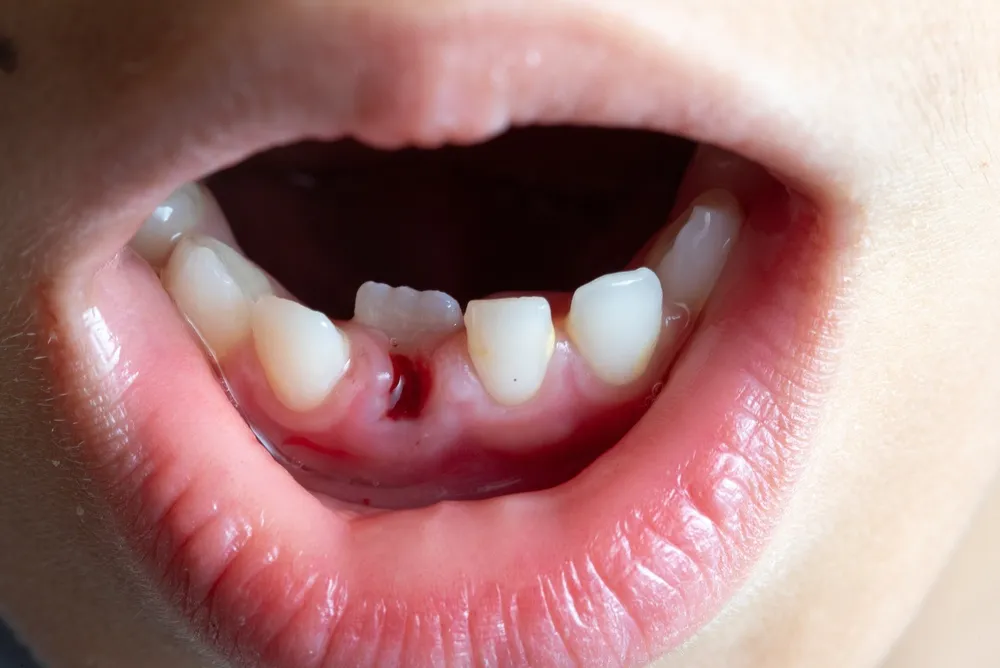
A completely knocked-out (avulsed) tooth is one of the most time-sensitive dental emergencies. The best chance to save the tooth is within 30–60 minutes. Stay calm and act quickly while contacting an emergency dentist.
Handle the tooth only by the crown (the chewing surface). If dirty, gently rinse with milk or saline and avoid scrubbing or removing the attached tissue. If you can, place the tooth back into the socket and hold it with gentle pressure. If that’s not possible, keep it moist in cold milk or a tooth-preservation solution; never let it dry out. Get urgent dental care immediately.
Teeth that have been loosened, pushed out of position, or feel misaligned after an injury also require prompt evaluation. If your bite feels different or you experience pain when closing your mouth, contact an emergency dentist right away.
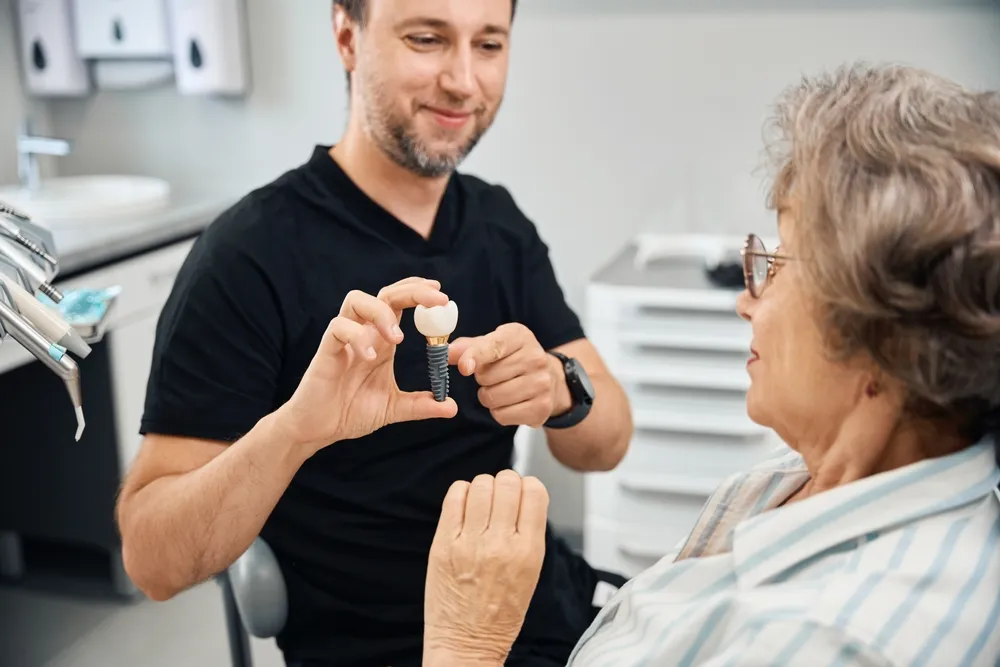
Jaw pain, difficulty opening or closing your mouth, numbness, or changes in the way your teeth fit together after trauma may indicate a jaw fracture. If you experience heavy bleeding, trouble breathing, or a suspected head or neck injury, call 911 or go to the nearest emergency room immediately. Teeth that cannot be saved can often be replaced later with options such as dental implants or bridges once healing is complete. Prompt treatment can help preserve damaged teeth and prevent more serious complications.
Lost Fillings, Loose Crowns, and Broken Dental Work
When a filling falls out or a crown loosens, the underlying tooth is suddenly exposed and can become very sensitive. Even if you’re not experiencing pain, the area is also more vulnerable to decay and fracture, so timely repair is important regardless of pain level.
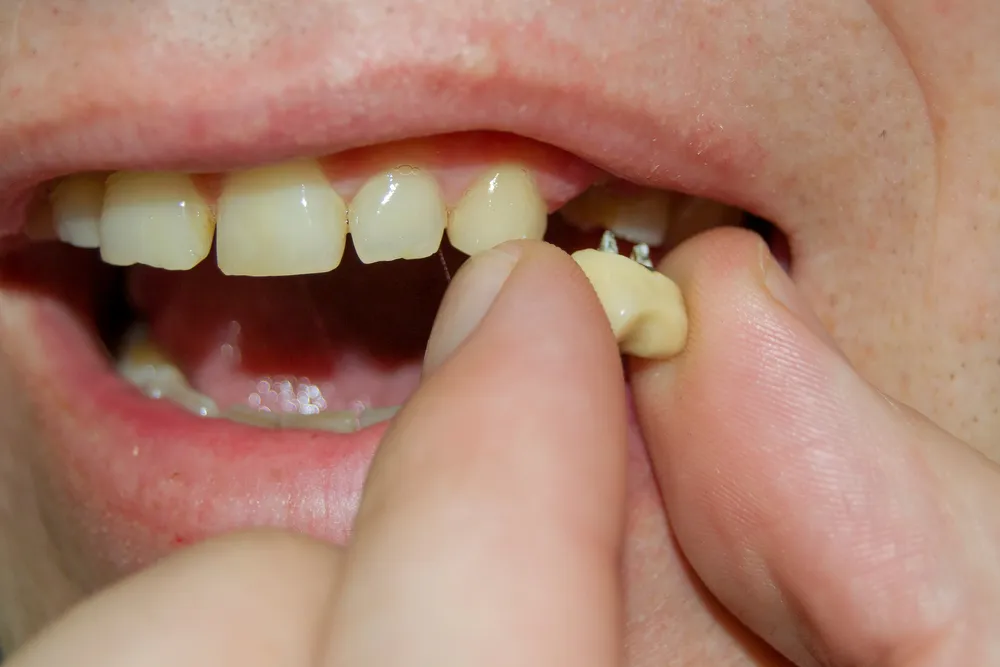
As a temporary measure, you can use dental wax or over-the-counter dental cement to cover the area. If a crown comes off intact, gently clean it and temporarily reseat it with dental cement until you can be seen. Avoid using super glue or other household adhesives, and bring any broken pieces with you to your appointment.
Delaying care can lead to deeper decay or a cracked tooth that requires more extensive treatment. All Smiles Care will review your insurance and discuss affordable options, including third-party financing such as CareCredit, so cost doesn’t keep you from getting the urgent care you need.
Bleeding Gums, Soft Tissue Injuries, and Broken Orthodontics
Mild bleeding after brushing or flossing can be common, especially if gums are inflamed. However, heavy or persistent bleeding, or bleeding after an injury that doesn’t stop with 10–15 minutes of firm pressure, requires urgent evaluation.
For cuts to the lips, cheeks, or tongue, rinse the area gently with clean water, apply firm pressure with gauze or a clean cloth, and use a cold compress to help control swelling. If a brace wire or bracket is broken and causing irritation, cover the sharp edge with orthodontic wax, contact your dentist or orthodontist for further guidance, and avoid cutting wires at home.
Seek emergency medical attention if bleeding is severe or uncontrolled, if you have difficulty breathing, or if you suspect a broken jaw. Wearing a properly fitted mouthguard during sports and recreational activities can help prevent many dental injuries before they happen.
What To Do While You’re On Your Way to the Dentist
The first minutes matter. Call our Westminster office to speak with a team member who can guide you based on your symptoms and help arrange a same-day visit whenever possible.
For pain and swelling, use a cold compress on the outside of the face for 10–20-minute intervals and take over-the-counter pain relievers as directed. Avoid extreme hot or cold foods and do not chew on the injured side.
Rinse gently with warm salt water to soothe irritated tissues if there’s no active bleeding. Do not place aspirin directly on the gums, use household glues, or attempt DIY fixes with sharp tools. Bring any broken pieces, restorations, or knocked-out teeth with you.
- Call an emergency dentist and describe your symptoms clearly.
- Control bleeding with firm, constant pressure using clean gauze or cloth.
- Protect injured teeth and tissues—avoid chewing on the area and cover sharp edges with dental wax.
- Keep a knocked-out tooth moist in milk or place it back in the socket if possible (handle by the crown only).
- Use a cold compress for swelling and take over-the-counter pain relievers as directed.
- Gather medications, allergies, and medical history details to share with the dental team.
- Bring any tooth fragments, crowns, or appliances to your appointment.
Emergency Dental Care at All Smiles Care in Westminster, MD
For over three decades, Dr. Akiva Salhanick has cared for Carroll County families and has repeatedly been recognized as “Carroll’s Best Dentist.” At All Smiles Care, we combine experience with a calm, compassionate approach so you feel supported from the first phone call to your final follow-up.
Our team provides a full range of emergency services, including toothache relief, infection control, root canals, repairs for chipped and broken teeth, re-cementing or replacing crowns and fillings, extractions when necessary, and follow-up for traumatic injuries. We also offer sedation dentistry and a comfortable, family-friendly environment for anxious patients.
We’re committed to affordable care tailored to your needs. We’ll help you navigate insurance and, when appropriate, discuss financing options. If you think you’re experiencing a dental emergency in Westminster or greater Carroll County, contact All Smiles Care now. We’re here to help you out of pain and back to smiling.
Frequently Asked Questions
Which dental issues are considered true emergencies?
Severe tooth pain, swelling, abscess symptoms (pus, fever, bad taste), knocked-out or significantly displaced teeth, uncontrolled bleeding, and facial trauma or suspected jaw fracture are true emergencies that warrant same-day care.
How should I handle a knocked-out tooth on the way to the dentist?
Hold the tooth by the crown only, gently rinse with milk or saline if dirty, and place it back in the socket if possible. If not, keep it moist in cold milk or a tooth-preservation solution. Do not scrub the root or let it dry. Seek urgent dental care immediately—time is critical.
When should I go to the ER instead of an emergency dentist in Westminster?
Go to the ER or call 911 for trouble breathing or swallowing, a suspected broken jaw, major head or neck trauma, or heavy bleeding that won’t stop with pressure. For toothaches, abscesses, broken teeth, lost crowns, and most soft tissue injuries, call an emergency dentist first.
Is a small chip or mild sensitivity an emergency?
Usually no. Small, painless chips and mild sensitivity can often wait for a scheduled visit. However, if pain worsens, the tooth is sharp, or there’s swelling, call for an urgent assessment.
Can I use aspirin on my gums for a toothache?
No. Aspirin on the gums can burn tissue. Use over-the-counter pain relievers as directed, a cold compress, and call a dentist for diagnosis and definitive treatment.