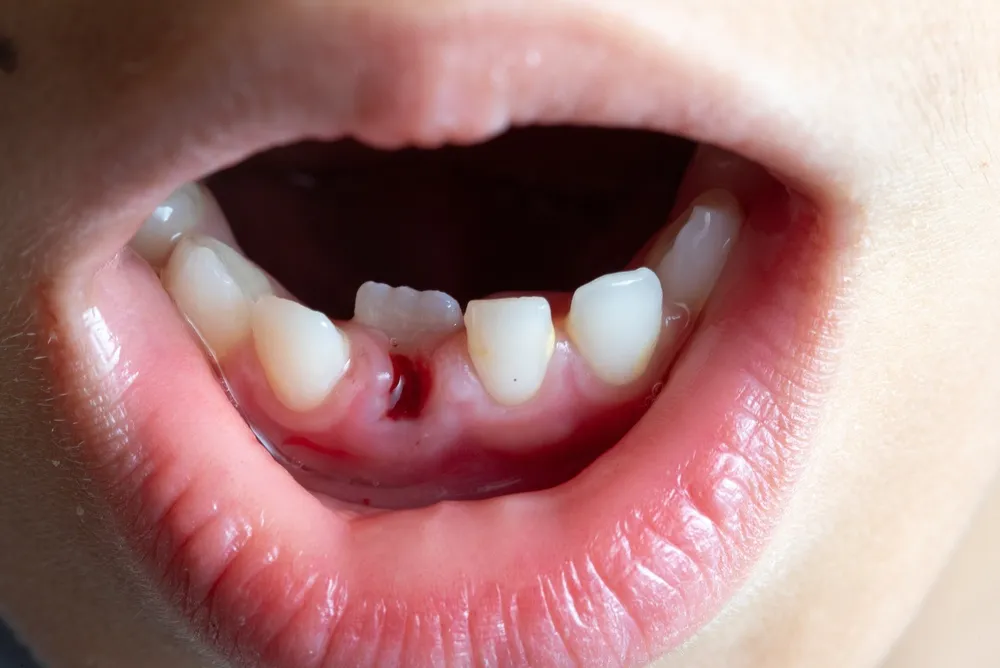
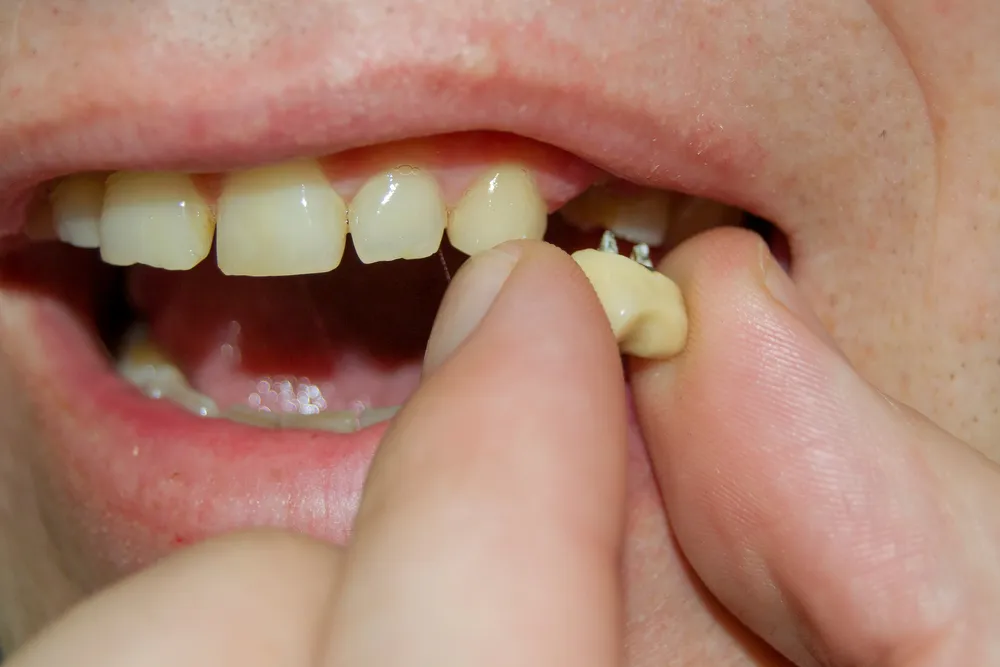
A missing tooth affects far more than your smile. It can change how you chew, make you self-conscious in photos, and even impact the long-term health of your bite as teeth shift and the jawbone changes over time. The two leading fixed solutions are a dental bridge and a dental implant, and understanding how they differ helps you make a confident choice.
What is a Dental Bridge?
A dental bridge is a fixed restoration that fills the space of one or more missing teeth. The teeth on either side of the gap, called abutment teeth, receive dental crowns. Between those crowns sits a lifelike replacement tooth known as a pontic, creating a single connected piece that restores your smile and chewing ability.
Bridges are cemented in place and do not come in and out like partial dentures. They are made from durable, natural-looking materials such as porcelain fused to metal, all-ceramic, or zirconia. Designs include traditional bridges supported by crowns on both sides, cantilever bridges supported on one side only, and Maryland bridges that use bonded wings, but for most people it is enough to know a bridge is a secure, non-removable solution that feels comfortable in daily life.
What is a Dental Implant?
A dental implant is a small titanium post placed in the jawbone to act like a natural tooth root. Over several months, the bone bonds to the implant in a process called osseointegration, creating a stable foundation you can chew on with confidence.
After the implant has integrated, a connector piece called an abutment is attached, and then a custom crown is secured on top. The finished result looks and functions like a real tooth. While implants can also support multi-tooth bridges or even full arches, this article focuses on single tooth replacement so you can compare it directly with a traditional bridge. The procedure involves a minor, well-planned surgery and a longer timeline, and most patients are surprised by how comfortable the process feels with modern techniques.
The Differences Between Dental Bridges and Dental Implants
Your dentist will personalize the plan around your mouth, but this summary shows what the key differences between bridges and implants are:
| Factor | Dental bridge | Dental implant |
|---|---|---|
| What supports it | Anchored to neighboring abutment teeth with crowns | Anchored directly to the jawbone with a titanium post |
| Main steps | Reshape abutment teeth, take impressions or digital scans, place a temporary, cement final bridge | Place implant post, allow bone to fuse, attach abutment, place final crown |
| Typical timeline | Often 2 to 3 visits over 2 to 4 weeks | Several months total: planning and placement, 3 to 6 months for osseointegration, then crown |
| Healing | Minimal healing, mostly limited to the gum around prepared teeth | Requires healing time for the jawbone and gums after placement |
| Impact on nearby teeth | Requires reshaping healthy neighboring teeth | Leaves neighboring teeth untouched |
| Jawbone health | Does not stimulate bone in the space; bone may shrink over time | Helps preserve bone by transmitting chewing forces to the jaw |
| Bone grafting needs | Not applicable | Sometimes recommended if the bone is thin or soft |
| Longevity | Typically 5 to 15 years before replacement or repair may be needed | Often decades, and can last a lifetime with good care |
| Maintenance | Floss threaders or special brushes under the pontic, regular cleanings | Brush and floss like a natural tooth, clean around the implant and attend regular checkups |
| Upfront cost vs long term value | Lower initial cost and often broader insurance coverage | Higher initial cost, potential long-term savings because replacement is uncommon |
Pros and Cons of Dental Bridges
Patients often ask about the pros and cons of dental bridges because bridges can be completed quickly and may fit both timeline and budget. A bridge fills the space fast, restores your bite, and is a familiar approach many insurers understand.
Bridges are not perfect for every situation. They involve reshaping the neighboring teeth and do not maintain bone in the empty space. In real life, a patient may choose a bridge when the adjacent teeth already need crowns, when an implant is not medically advised, or when they prefer a faster, lower upfront approach.
Pros
- Faster completion, often 2 to 3 visits with no surgical healing period.
- Lower upfront cost and commonly broader insurance coverage than implants.
- Predictable chewing comfort and a natural look when crafted to match your smile.
Cons
- Requires removing some healthy enamel from abutment teeth to fit crowns, which can affect long-term tooth health.
- Does not stimulate the jawbone under the pontic, so bone in that area may shrink over time.
- Typical lifespan is 5 to 15 years, so you may plan for replacement or repair in the future.
Pros and Cons of Dental Implants
Dental implants are valued for their longevity, natural feel, and support of jawbone health. Because an implant stands on its own, it does not require reshaping neighboring teeth, and it helps prevent the bone loss that can follow tooth loss.
Implants do require a minor surgical procedure and time for the bone to integrate with the titanium post. The upfront investment is higher, yet many patients view it as a long term value because implants rarely need to be replaced when cared for properly.
Pros
- Often lasts decades, and many implants can last a lifetime with consistent home care and professional maintenance.
- Protects neighboring teeth by leaving them untouched.
- Preserves jawbone volume and helps maintain facial shape by transmitting chewing forces into bone.
- Feels very stable and natural when biting and speaking.
Cons
- Requires a surgical placement and healing time, which may not suit every medical situation.
- Higher upfront cost, though replacement is uncommon compared with bridges.
- If bone is thin, a graft may be recommended before or during placement to create a strong foundation.
How to decide which option is right for you
The best choice balances health, timeline, budget, and personal preference. In your consultation at All Smiles Care, we will assess your jawbone, gums, bite, and neighboring teeth, and review your medical history to determine whether a bridge or an implant is recommended.
Think about how long you want the solution to last and how you feel about future replacement work. Ask about cleaning routines, follow-up visits, and how each option will feel day to day. There is no one-size-fits-all answer, and a thorough exam with your dentist will clarify the path that suits you best.
Considerations Checklist
- What is the health of the neighboring teeth, and do they already need crowns that could support a bridge?
- How much jawbone is present at the site, and would an implant need bone grafting?
- Are there medical conditions or medications that affect healing or make surgery less appropriate?
- What timeline do you have for finishing treatment, and what events are on your calendar?
- How do upfront cost, insurance coverage, and long-term value compare for your specific case?
- What daily maintenance will each option require, and which routine fits your lifestyle?
Modern dentistry offers reliable outcomes with both approaches. With careful planning, well-made bridges and properly placed implants serve patients predictably and comfortably.
What are the Procedures for Dental Bridges vs Implants?
Every smile starts with a personalized consultation at All Smiles Care. We review your goals, take digital images or scans, and discuss options. Comfort is a priority at every visit, with local anesthetic and sedation options available when appropriate.
For a dental bridge, the abutment teeth are reshaped slightly so crowns can fit securely. We take precise impressions or digital scans, place a temporary bridge for comfort and appearance, and send your measurements to a dental lab. At a follow-up visit, the final bridge is tried in, adjusted for your bite, and cemented in place. Many patients complete this process in 2 to 4 weeks depending on scheduling and lab times.
For a dental implant, we plan the placement using imaging to position the titanium post in healthy bone. The post is placed during a brief, comfortable procedure, then the jawbone is given time to fuse with the implant through osseointegration, usually 3 to 6 months. If the site lacks adequate bone, a small graft may be recommended, which can add time. After healing, we connect an abutment and secure a custom crown. You will leave with a tooth that looks and functions like the real thing, supported by ongoing care from the same familiar team.
Dental Bridges & Implants at All Smiles Care
You do not have to choose between a bridge and an implant on your own. The All Smiles Care team has extensive experience with both treatments and will guide you through options that fit your health, timeline, and budget.
If you live in Westminster or anywhere in Carroll County, contact All Smiles Care to schedule a friendly, no-pressure consultation. Together we will create a personalized plan so you can smile, speak, and chew with confidence.
Frequently Asked Questions
Which is better for replacing a missing tooth: a dental bridge or a dental implant?
Neither option is universally better. An implant offers the longest-lasting, bone-preserving solution without reshaping neighboring teeth. A bridge is typically faster with a lower upfront cost and may be ideal when adjacent teeth already need crowns or when implants are not medically appropriate. A consultation will confirm which fits your health, goals, and budget.
How long does each treatment take, and what does the process involve?
A bridge is often completed in 2 to 3 visits over 2 to 4 weeks by reshaping the abutment teeth, taking impressions, and cementing the final bridge. An implant involves placing a titanium post in the jawbone, allowing several months for osseointegration, then attaching an abutment and crown. Exact timing depends on healing, bone quality, and your schedule.
How do cost and insurance coverage compare between bridges and implants?
Bridges usually cost less upfront and often receive broader insurance coverage. Implants have a higher initial cost but can offer long-term value because they rarely need replacement. Your dentist will review personalized estimates and any benefits during your consultation.
Will my new tooth look natural and feel comfortable?
Yes. Both bridges and implants are crafted to match your surrounding teeth in shape and color. Bridges restore chewing and appearance quickly, and implants feel especially natural because they are anchored in bone like a real tooth root.
What about maintenance after treatment?
With a bridge, you will use floss threaders or special brushes to clean under the pontic and around the abutment teeth. With an implant, you brush and floss like a natural tooth and keep up with regular professional cleanings and exams.