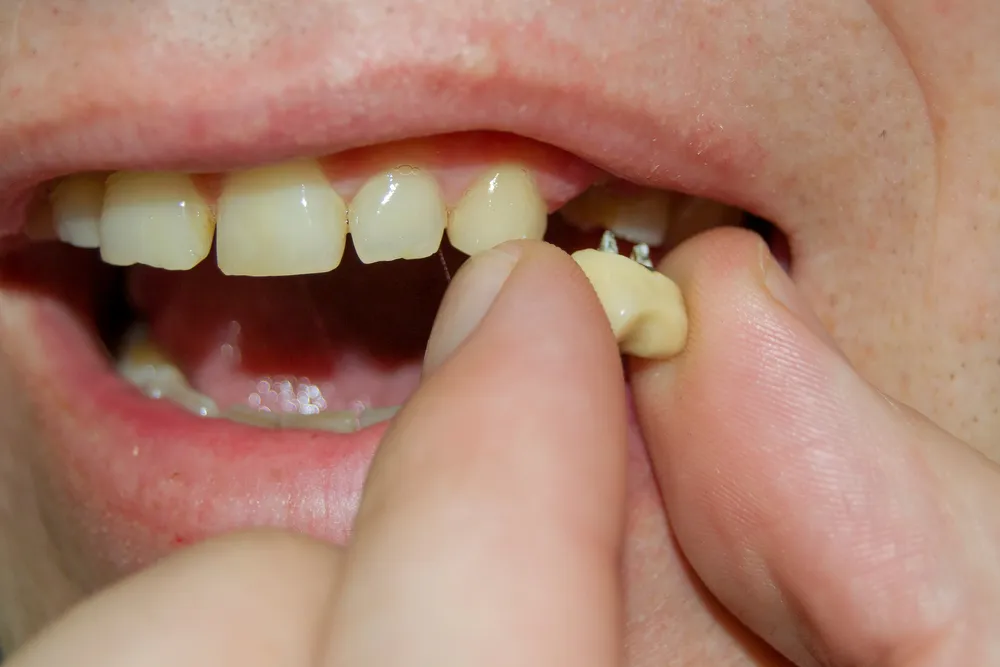

If you are planning dental implant surgery, it is natural to ask about pain and side effects. A dental implant is a small titanium post that replaces a tooth root, and its placement involves gently preparing the jawbone and surrounding gum tissue. Some tenderness afterward is part of normal healing, and most Westminster and Carroll County patients find that discomfort is manageable.
Dental implants have a high long-term success rate when placed by an experienced dentist. With good aftercare, most soreness improves noticeably within the first week. At All Smiles Care in Westminster, Maryland, we guide you through each step so you know what to expect and how to stay comfortable as you heal.
Key Takeaways
Use these quick points to understand what is normal and what needs attention.
- Mild to moderate aching, tenderness, and throbbing that peak within 24–72 hours and improve after day three are normal and usually managed with ibuprofen or acetaminophen. Sharp, worsening, or spreading pain after the first few days warrants a call to All Smiles Care.
- Soreness and swelling typically peak on days 1–3, ease markedly by days 4–7, feel much better by week two and around one month, and the 3–6 month osseointegration phase is usually pain-free.
- Temporary swelling, minor bruising, light bleeding, and tenderness are expected early on. Fever, pus, a foul taste, worsening swelling, severe pain, persistent numbness or tingling, or a loose-feeling implant are abnormal and require prompt dental evaluation.
What Normal Dental Implant Pain Feels Like vs. Concerning Pain
Right after dental implant surgery, most people notice a dull ache near the site, tenderness when touched, and mild throbbing as the local anesthetic wears off. This discomfort usually peaks within the first 24 to 72 hours and steadily fades after day three.
Over-the-counter pain relievers such as ibuprofen or acetaminophen typically keep symptoms well controlled when taken as directed by your dentist. Cold compresses and a soft-food plan during the first couple of days also help reduce soreness and swelling.
Everyone’s pain tolerance is different, but certain patterns are not expected. Pain that becomes sharper or spreads to other teeth, the jaw, or the ear after the first few days is a red flag, especially if it is paired with fever, a bad taste, or increasing swelling. In these cases, contact the team at All Smiles Care for guidance.
Dental Implant Healing & Pain Timeline
Healing follows a predictable course for most patients. Any trend toward increasing pain or swelling after day three is not typical. If you experience symptoms that worsen rather than improve, or if over-the-counter options like ibuprofen or acetaminophen stop helping, contact your dentist promptly.
| Timeframe | What you may feel | Typical pain level | What is not expected |
|---|---|---|---|
| 0–24 hours | Lingering numbness | Mild oozing | Emerging soreness as anesthesia fades. Begin cold compresses and prescribed or over-the-counter pain control. |
| Days 1–3 | Peak swelling and tenderness | Throbbing that improves between doses | Bruising may appear. |
| Days 4–7 | Noticeable relief | Easier chewing on the opposite side | The need for medication decreases. |
| Week 2 | Minimal discomfort | Bruising fades | Stitches may dissolve or be removed. |
| Around 1 month | Area feels normal during daily activities | Occasional brief twinges with pressure. | None to very mild. |
| Months 3–6 (osseointegration) | Bone bonds to the implant | . Routine follow-ups continue. | Pain-free. |
Common Dental Implant Side Effects
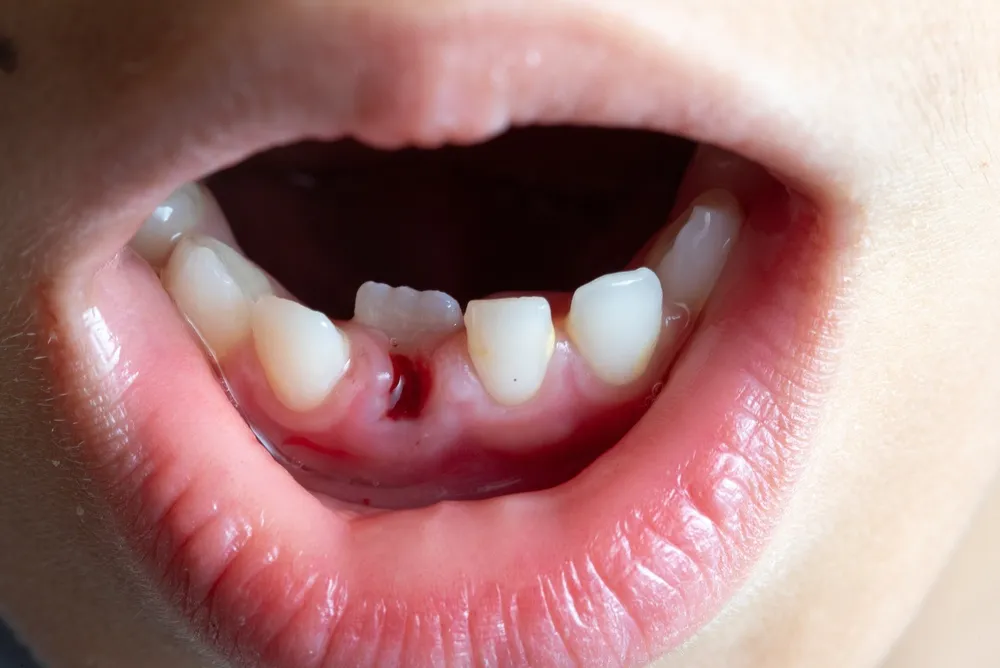
Some side effects are part of normal healing. Swelling and minor bruising around the cheeks and gums are common and usually peak at 48 to 72 hours after surgery, then fade. A small amount of oozing or pink-tinged saliva is also typical early on as a protective blood clot stabilizes.
Mild tenderness when chewing, especially with firm or spicy foods touching the area, is expected during the first week. Gentle oral hygiene around the site and a soft-food diet help keep irritation to a minimum and support healing.
Certain symptoms suggest complications rather than normal recovery. Signs of infection such as fever, pus, or a persistent foul taste are not normal. Increasing swelling after day three, severe pain, ongoing numbness or tingling, or a loose-feeling implant should be evaluated promptly.
What to Expect with Each Type of Dental Implant Procedure
Not every implant case feels the same. A straightforward single-tooth implant often brings mild to moderate soreness that peaks in the first two to three days and improves quickly with home care.
Placing several implants for an implant bridge can lead to more swelling and tenderness at multiple sites. Full-mouth dental implants, sometimes called All-on-X, are more extensive and can cause broader facial soreness and bruising at first, yet they still follow the same improvement pattern.
When a bone graft or sinus lift is added, recovery may be a bit longer and you might notice pressure or a fullness sensation in the cheek or under the eye. Even with these additional steps, medication and careful aftercare usually keep you comfortable.
| Procedure type | Relative initial pain and swelling | Typical recovery highlights |
|---|---|---|
| Single-tooth implant (no graft) | Mild to moderate discomfort | Localized swelling. |
| Multiple implants or implant bridge | Moderate discomfort | Swelling at several sites. |
| Full mouth dental implants (All-on-X style) | Moderate to higher initial soreness | Generalized facial tenderness and bruising possible. |
| Implant with bone graft | Mild to moderate soreness plus pressure around the graft area. | Swelling may last a little longer |
| Implant with sinus lift | Pressure or fullness in the cheek or under the eye | Possible congestion feeling. |
Factors That Influence Dental Implant Pain and Recovery
Your experience is shaped by your overall health, the specifics of your procedure, and how closely you follow the suggested aftercare routines. Many of these factors are manageable, which means you can take steps to reduce discomfort and support faster healing.
Conditions such as diabetes or immune challenges can slow healing and increase the risk of infection. Smoking and vaping decrease blood flow, which makes pain control harder and can delay recovery.
Surgical complexity, grafting, individual pain tolerance, anxiety, and stress also play a role. The All Smiles Care team will tailor your plan and help you control the variables you can influence.
Managing Dental Implant Pain at Home & When to Call Your Dentist
Use medications exactly as prescribed and consider over-the-counter options such as ibuprofen or acetaminophen if recommended for you. Taking the first doses on a schedule during the initial 24 to 48 hours helps you stay ahead of discomfort.
Apply cold compresses in short intervals during the first day or two to limit swelling. Choose soft, cool foods, avoid straws, and begin gentle saltwater rinses if advised by your dentist. Prioritize rest, keep your head elevated when sleeping, and avoid strenuous activity early in the healing process.
Call your dentist if you notice uncontrolled bleeding, worsening pain or swelling after day three, fever, pus or a foul taste, spreading facial swelling, persistent numbness or tingling, or an implant site that feels loose. Your dental team will advise you on the next steps and schedule a visit if needed.
Dental Implant Recovery with All Smiles Care
Most dental implant side effects follow a steady, improving timeline, and the phase when bone bonds to the implant is usually comfortable. Our team monitors your progress, fine-tunes pain control, and answers questions so you can focus on healing with confidence.
If you live in Westminster or greater Carroll County, Maryland, schedule a personalized implant consultation with All Smiles Care to review your treatment options and expected recovery. Contact our office today to get started and take the next step toward a confident, lasting smile.
Frequently Asked Questions
How long does dental implant pain usually last?
Most soreness peaks in the first 24–72 hours, improves noticeably by days 4–7, and feels much better by week two. The 3–6 month osseointegration phase is typically pain-free.
Which symptoms after an implant are not normal?
Contact your dentist if you have worsening pain or swelling after day three, fever, pus or a foul taste, uncontrolled bleeding, persistent numbness or tingling, or an implant that feels loose.
Do full mouth dental implants hurt more than a single implant?
Full-mouth cases usually cause more initial soreness and swelling because more sites are healing at once, but they still follow the same improvement pattern and are managed with medication and careful aftercare.
Can I take ibuprofen or acetaminophen after implant surgery?
Yes, many patients use ibuprofen or acetaminophen as advised by their dentist. Follow your personalized instructions and ask your provider which option is best for you.