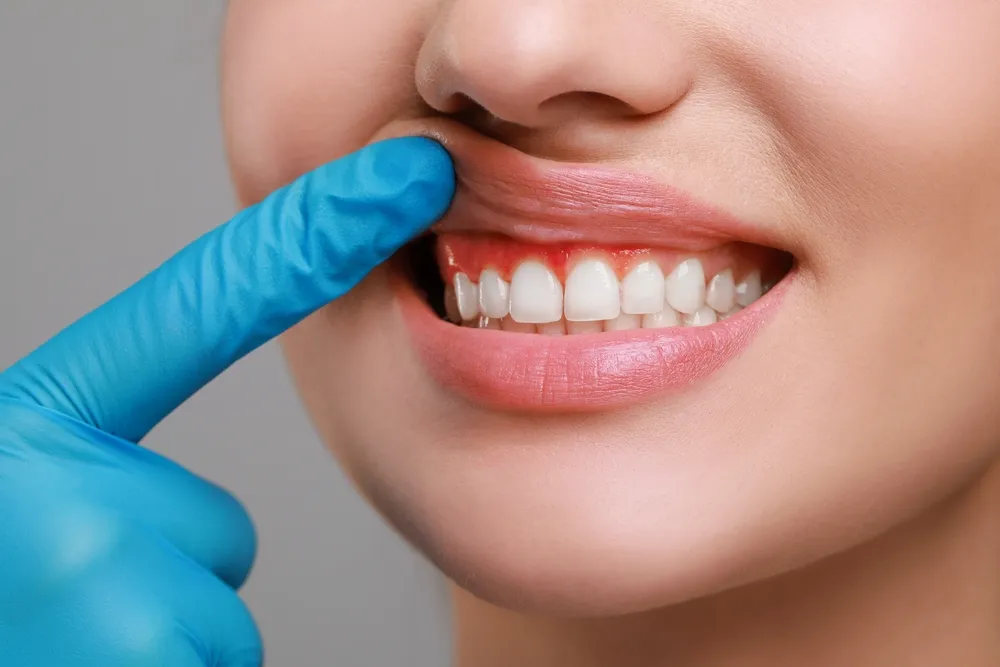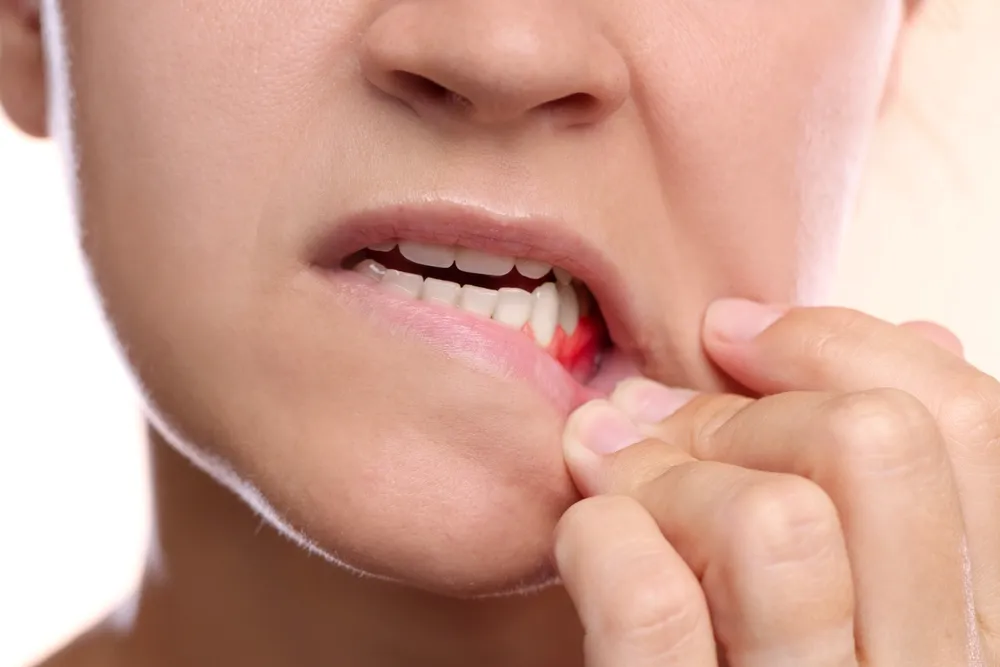

If you’ve noticed bleeding when you brush or floss, you’re not alone—and you’re not beyond help. Gum disease is common, and with timely care, it’s very manageable. At All Smiles Care in Westminster, MD, our dentists and hygienists focus on comfortable, compassionate treatments that protect your gums, teeth, and overall health for the long term.
Gum disease, also called periodontal disease, is an infection of the tissues that support your teeth. It begins as gingivitis, a mild, reversible inflammation of the gums caused by plaque bacteria. If it isn’t treated, gingivitis can progress to periodontitis—the advanced stage of gum disease—where the infection damages the fibers and bone that hold teeth in place. That bone loss makes periodontitis more serious and not fully reversible.
Gum disease is very common in adults and can affect teenagers and, less frequently, children. Understanding the difference between gingivitis and periodontitis helps you act early, avoid complications, and keep your smile healthy. Our team at All Smiles Care is here to diagnose your stage accurately and design a plan that fits your goals and comfort level.
Causes and Risk Factors of Gum Disease
Dental plaque is the primary cause of gum disease. Plaque is a soft, sticky film of bacteria that constantly forms on teeth. If it’s not removed with effective brushing and flossing, it hardens into tartar (calculus), which firmly adheres to teeth and can only be removed professionally.
Bacteria in plaque and tartar irritate the gum tissue, triggering inflammation. In gingivitis, this shows up as redness, swelling, and bleeding. If the bacterial buildup spreads below the gumline and remains, the body’s inflammatory response can start to break down the attachment and supporting bone—this is periodontitis.
Certain lifestyle, medical, and genetic factors increase your chance of developing gum disease and of progressing from gingivitis to periodontitis. Some can be changed, such as smoking; others must be managed, such as diabetes.
At All Smiles Care, we help you identify your personal risk factors and create a prevention plan that’s realistic for your life—from home-care coaching to supportive strategies for lifestyle changes.
Symptoms of Gum Disease
Gingivitis often starts quietly. Common early signs include gums that look red or puffy, bleed with brushing or flossing, and persistent bad breath. Because early gum disease can be painless, these clues are easy to dismiss or attribute to brushing too hard.
As gingivitis advances to periodontitis, symptoms become more noticeable: receding gums, spaces developing between teeth, teeth that feel loose, pus along the gumline, pain with chewing, and changes in how your teeth fit together when you bite.
Use the comparison below to help match what you’re experiencing with the likely stage. If you’re unsure, the safest step is to schedule an evaluation—early, gentle care prevents more complicated treatment later.
Bleeding with brushing or flossing is not normal. If you notice any of the signs below, contact All Smiles Care in Westminster, MD, promptly for an assessment. We’ll help you find relief and a plan that protects your smile.
| Stage | Common signs | What it means | Action to take |
|---|---|---|---|
| Gingivitis | Red, puffy gums; bleeding with brushing/flossing; bad breath | Inflammation from plaque at the gumline; no bone loss yet | Schedule a professional cleaning and improve daily brushing/flossing to reverse it |
| Periodontitis | Gum recession; deep pockets; loose or shifting teeth; pus; pain with chewing; bite changes | Infection has affected the supporting bone and attachment | Get a periodontal evaluation; likely need scaling and root planing and targeted therapy; begin maintenance visits |
How Dentists Diagnose Gum Disease at All Smiles Care
Your visit begins with a careful, visual exam. We look for redness, swelling, and bleeding points, and note areas with plaque and tartar. We also review your health and dental history to understand symptoms, medications, and risk factors that may affect your gums.
Next, we perform gentle periodontal probing to measure the pocket depths around each tooth. Numbers of 1–3 mm with no bleeding are generally healthy; deeper pockets and bleeding suggest inflammation and, when combined with other findings, possible periodontitis.
Dental X-rays are used to evaluate the level and pattern of bone support around your teeth. Bone loss on X-rays helps confirm the presence and severity of periodontitis and guides treatment planning.
By combining the visual exam, probing depths, bleeding points, and X-rays, our dentists distinguish gingivitis from mild, moderate, or advanced periodontitis. We’ll walk you through the results in plain language and design a personalized plan that prioritizes comfort—something our Westminster, Maryland, families consistently appreciate.
Treatment for Gum Disease (Gingivitis and Early Periodontitis)
Professional dental cleanings remove soft plaque and hardened tartar from above and just below the gumline. This reduces the bacterial load and irritation that drive gingivitis.
For deeper infection, scaling and root planing is a meticulous, non-surgical treatment. We remove deposits from root surfaces and smooth them so gums can reattach more easily, and pockets can shrink.
Targeted antimicrobials—such as antibacterial rinses or localized antibiotics placed in specific pockets—may be used to reduce bacterial levels. With timely professional care and improved home hygiene, gingivitis is reversible, and early periodontitis can be controlled.
At All Smiles Care, visits are designed to be comfortable and family-friendly for adults, teens, and children. Consistent follow-ups, along with daily brushing and flossing, are essential to maintain results and prevent recurrence.
Advanced Periodontitis Treatment and Long-Term Management
When pockets remain deep or bone loss is advanced, periodontal surgery may be recommended. We coordinate care closely with trusted periodontists to ensure you receive the right procedure at the right time, with seamless communication and follow-up.
Common procedures include flap surgery (pocket reduction) to access and clean deep deposits and reshape bone for easier home care; soft tissue grafts to cover exposed roots and reinforce thin gums; and bone grafts or regenerative therapies to help rebuild areas of lost support when appropriate.
While bone that has been lost cannot be fully restored in most cases, treatment can often stop or significantly slow further destruction, helping you keep your remaining bone and teeth comfortable and functional.
Long-term success depends on regular periodontal maintenance visits, excellent home care, and control of risk factors. Managing systemic conditions like diabetes and quitting smoking meaningfully improve healing and outcomes, and our team will support you through each step.
Preventing Gum Disease: Daily Habits and When to See a Dentist
Strong daily habits are your first line of defense. Brush twice a day with fluoride toothpaste, clean between teeth daily with floss or interdental brushes, and consider an antimicrobial rinse if recommended by your dentist or hygienist. By keeping on top of infection at home, you’ll strengthen your fight against gum disease by managing bacteria that often return to your teeth in between treatments.
Lifestyle choices also matter for gum health. Quitting smoking, managing diabetes and other health conditions, eating a balanced diet, staying well hydrated, and managing stress all reduce gum inflammation and support healing. Routine dental exams and professional cleanings catch problems early, often before you feel discomfort.
Protect Your Gums with Perio Protect from All Smiles Care
If you are worried about invasive gum disease treatment, you may be happy to hear that, with today’s technology, you have options to effectively control gum disease and gingivitis. Perio Protect is a less invasive treatment to help you recover from periodontal disease. It controls oral bacteria more effectively with anti-bacterial at-home treatment.
This modern method of gum disease treatment includes a prescribed solution to combat your oral bacteria combined with standard tartar and plaque removal procedures, like root scaling and planing. After you’re treated by Dr. Salhanick, you’ll be sent home with your personalized, molded mouth tray. Continue the treatment at home by using the anti-bacterial dental solution.
With Perio Protect, Westminster dentist Dr. Salhanick offers proactive dental home care. Contact All Smiles Care today to learn more.
Frequently Asked Questions
What is gum disease, and how does periodontitis differ from gingivitis?
Gum disease (periodontal disease) is an infection of the tissues that support your teeth. Gingivitis is the early, reversible stage limited to the gums. Periodontitis is the advanced stage in which the infection damages the tissues and bone that hold teeth in place. Untreated gingivitis can progress to periodontitis over time.
What are the symptoms of gum disease and periodontitis, and when should I see a dentist?
Early gum disease (gingivitis) often presents with red, puffy gums that bleed with brushing or flossing and persistent bad breath. Periodontitis can cause receding gums, loose or shifting teeth, pus at the gumline, pain when chewing, and changes in bite. Any bleeding with brushing or flossing is not normal—see a dentist promptly if you notice these signs.
How is gum disease treated, including advanced periodontitis?
Dentists treat early disease with professional cleanings, scaling and root planing, and targeted antimicrobials, plus improved home care. Advanced periodontitis may require coordinated periodontal procedures such as flap surgery, soft tissue grafts, or bone grafts, followed by regular periodontal maintenance and ongoing risk-factor control to prevent reinfection.