

The Benefits of Flossing
Dental floss is an integral part of an at-home dental care routine. After all, using it consistently makes for a healthier mouth and a healthier you, overall. We talk a lot about flossing, but we often skip over the fundamentals of why flossing is important, to begin with. So, let’s get into the importance of flossing, some facts that may surprise you, and several of the benefits that are associated with it.
A Brief History of Flossing
Flossing has a robust history dating back to prehistoric times. Before the invention of floss, as we know it, prehistoric humans used horsehair and twigs to remove debris from between their teeth. Looking forward to several centuries later, New Orleans dentist, Levi Spear Parmly, invented a waxen silk product that was safe to use, and it became widely available and used.
Now, more modern iterations of floss are cheaper to make, durable, and come in a variety of textures, materials, and flavors that will suit the majority of oral care preferences. There are even dental picks and water sprays that will help achieve similar results as traditional flossing. With all of these relatively recent innovations in flossing technology, who knows what’s in store in the future?
Why is Flossing Important, Anyway?
Flossing can help improve the appearance of your mouth as well as your dental hygiene and overall health. While brushing alone cleans the surfaces of your teeth, you need to floss to clean out the gaps between your teeth. The spaces in between your teeth are where bacteria live, so if you don’t floss, you’re more likely to get a build-up of that bad bacteria. This build-up will lead to harmful plaque which can lead to cavities, tooth decay, and gum disease. Additionally, flossing can prevent the bad breath that’s caused by bacteria, and remove food and debris from between your teeth.
The Top Benefits of Flossing
Along with why flossing is beneficial for your overall oral health, flossing is also important for a variety of reasons, and it lends itself to so many surprising benefits. Check out some of the top ones below!
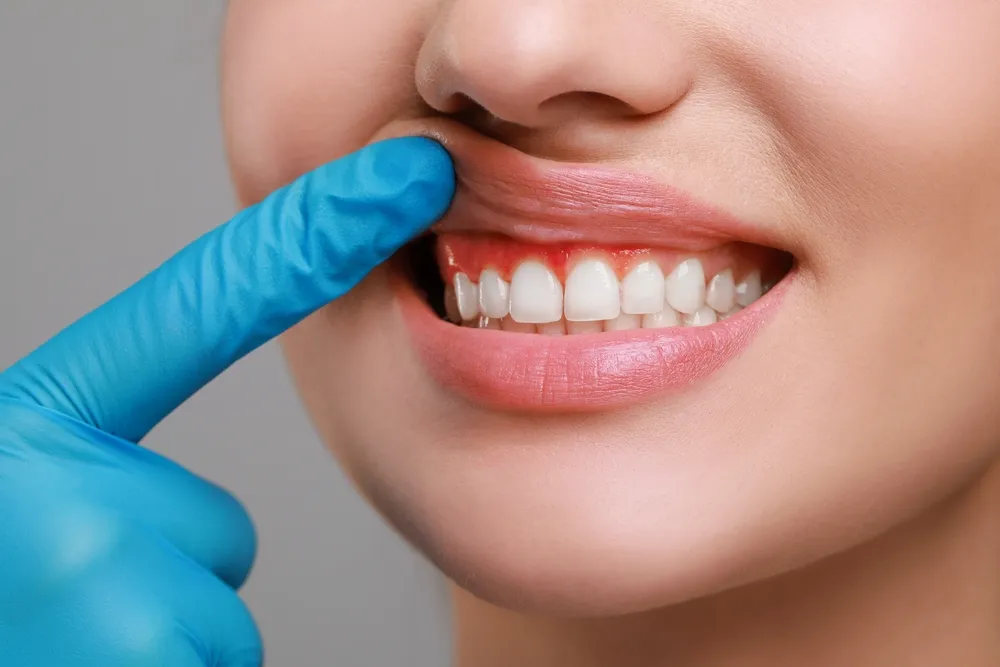
Flossing leads to decreased gum sensitivity by removing plaque and bacteria that collect along the gumline and between teeth. When plaque is left untreated, it can irritate the gums and lead to inflammation, bleeding, tenderness, and recession. Consistent flossing helps keep gum tissue healthier and can reduce discomfort over time.
Flossing helps prevent serious health conditions that have been linked to advanced gum disease, including heart disease, diabetes complications, and high blood pressure. Harmful oral bacteria and chronic inflammation associated with periodontal disease may contribute to inflammation throughout the body. Maintaining healthy gums through daily flossing supports both oral and overall health.
Flossing is more effective than brushing alone because toothbrush bristles cannot fully reach tight spaces between teeth or beneath the gumline. Removing plaque from these areas helps prevent tartar buildup, cavities, and gum disease, often resulting in healthier teeth and smoother, more comfortable professional cleanings during dental appointments.
Flossing may help reduce the risk of respiratory infections such as bronchitis and pneumonia by limiting the amount of harmful bacteria present in the mouth. Oral bacteria can sometimes be inhaled into the lungs, particularly in individuals with weakened immune systems or underlying health conditions. Better oral hygiene helps reduce bacterial buildup and supports respiratory health.
Flossing reduces bad breath by removing trapped food particles, plaque, and bacteria that can produce unpleasant odors. It also lowers the risk of cavities and tooth decay by cleaning areas where bacteria commonly collect. Daily flossing, combined with brushing and regular dental visits, helps maintain fresher breath and a healthier smile.
The last major benefit of flossing is the money you’ll save by protecting your oral health between dental visits. Daily flossing can help prevent cavities, gum disease, tooth decay, and other issues that may require more extensive and expensive treatment later on. Keeping your teeth and gums healthier between cleanings may also lead to shorter, easier dental appointments and fewer unexpected procedures over time. If you need a dental team to help you build and maintain healthy oral care habits, contact All Smiles Care today.
Make Flossing Stick
Building a consistent flossing routine can make a significant difference in your long-term oral health. Small habit changes and easy reminders can help make flossing part of your daily routine, reducing the risk of gum disease, cavities, and plaque buildup over time.
- Set a daily phone reminder or pair flossing with another routine habit, such as brushing before bed
- Keep floss picks or interdental brushes visible on your bathroom counter for easy access
- Store floss in multiple locations, such as your bathroom, travel bag, or desk drawer
- Try different flossing tools to find the option that feels most comfortable and convenient
- Schedule yearly periodontal evaluations to monitor gum health and catch early signs of gum disease before they progress
How to Floss (Step-by-Step)
Flossing once daily, preferably at night before brushing, helps remove plaque and food particles that build up throughout the day. Using the correct technique is important for protecting your gums and cleaning effectively between teeth.
- Start with about 18 inches of floss and wrap most of it around your middle fingers, leaving a few inches to work with.
- Gently guide the floss between your teeth using a careful back-and-forth motion to avoid snapping it into the gums.
- Curve the floss into a “C” shape around one tooth and slide it beneath the gumline.
- Move the floss up and down against the side of the tooth to remove plaque and debris.
- Repeat on the adjacent tooth before moving to the next space with a clean section of floss.
Different flossing tools may work better depending on your needs and preferences. Waxed floss can glide more easily between tight teeth, while dental tape may feel more comfortable for wider spaces. Floss picks offer convenience for on-the-go use, interdental brushes can help clean around braces or larger gaps, and water flossers may be useful for patients with dental work, sensitive gums, or difficulty using traditional floss.
Frequently Asked Questions
How long does it take to build a flossing habit, and what helps?
It typically takes about 2–3 months to form a consistent interdental cleaning habit. Keeping tools visible, using phone reminders, and pairing flossing with nightly brushing improve adherence.
When and how often should I floss, and what is the correct technique?
Floss once daily, preferably before bedtime. Use 18–24 inches of floss, wrap around middle fingers, gently slide between teeth, curve into a C-shape, clean below the gumline, and use a fresh section for each tooth.


Great content! Super high-quality! Keep it up! 🙂
Thank you! We appreciate you reading it.