A tooth falling out unexpectedly can be alarming, whether it happens during a sports injury, a fall, or another accident. While it may feel overwhelming in the moment, knowing what to do right away can make a significant difference in whether a permanent tooth can be saved. Acting quickly, handling the tooth correctly, and seeking emergency dental care as soon as possible are the most important steps.
What it Means When a Tooth Falls Out (and Why Fast Action Matters)
A tooth that has been completely knocked out is called an avulsed tooth, and it is a true dental emergency. This is different from a tooth that is wiggly due to gum disease or a baby tooth that comes out naturally. When trauma forces a permanent tooth out, every minute matters.
For a permanent tooth, same-day emergency dental care gives you the best chance to save it. Ideally, the tooth should be reimplanted within about 30–60 minutes. The success rate declines the longer the tooth is dry or out of the socket, which is why immediate first aid and prompt transport to an emergency dentist are critical.
Baby teeth are handled differently and are generally not reinserted if they are knocked out. If you are in or near Westminster, MD, All Smiles Care is here to help with same-day emergency visits. If you are experiencing a dental emergency, call our office right away.
Key Takeaways
Use these rapid-response steps now and on the way to the dentist to protect your best chance of saving the tooth.
- Act within 30–60 minutes: pick up the tooth by the crown, gently rinse if dirty without scrubbing, try to reinsert it into the socket, keep it moist if reinsertion isn’t possible, control bleeding, and call All Smiles Care for same-day emergency care.
- Keep the tooth moist at all times by placing it in cold milk, a tooth preservation kit, or saline, or tucking it in the cheek with care to avoid swallowing. Avoid storing it in plain water. Get to an emergency dentist or endodontist within about an hour.
- If a child’s naturally loose baby tooth falls out it usually isn’t an emergency, but never reinsert a baby tooth knocked out by injury, and treat a knocked-out permanent tooth like an adult emergency by calling an emergency dentist right away and following the same first-aid steps.
What to Do Immediately if an Adult Tooth Falls Out
Stay calm, act quickly, and locate the tooth. Call your dentist as soon as you find it, and head in for emergency treatment. The following steps can help protect the living cells on the root so your dentist can try to reimplant the tooth.
- Pick up the tooth by the crown only (the chewing surface). Do not touch the root.
- If dirty, gently rinse the tooth for a few seconds with saline or cold milk. Do not scrub, use soap, alcohol, hydrogen peroxide, or a brush.
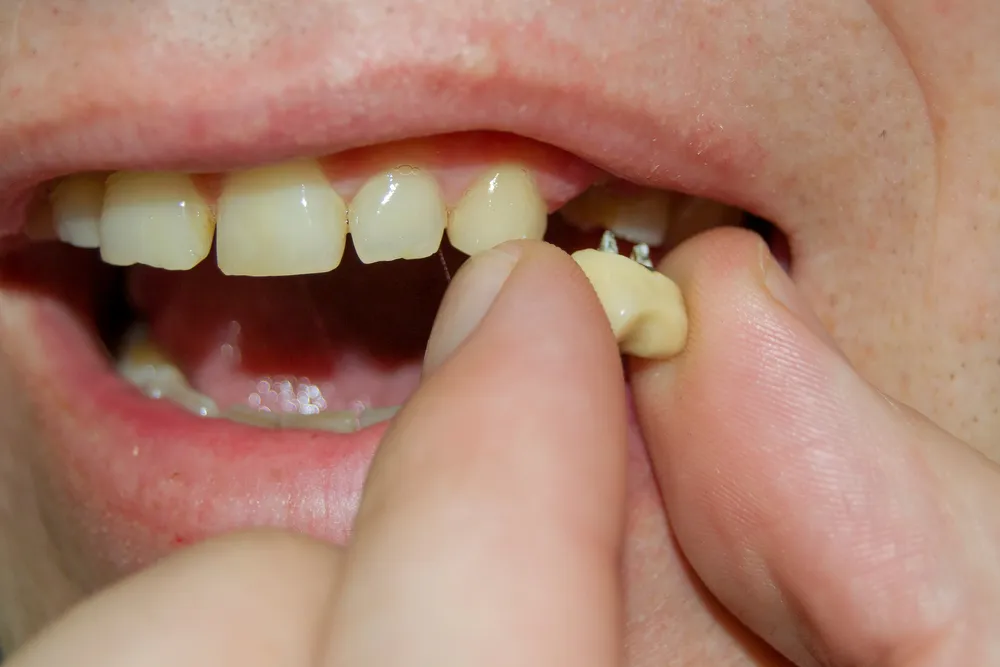
- If you can, reinsert the tooth into the socket immediately. Hold it by the crown, orient it correctly, and apply gentle pressure with clean fingers or bite softly on gauze to keep it in place.
- If you cannot reinsert it, keep it moist. Place it in cold milk, a tooth preservation kit, or saline. As a last resort, hold it inside your cheek—only adults and older children who will not swallow it.
- Control bleeding by placing clean gauze or a cloth over the socket and biting down with steady, gentle pressure. Replace gauze as it saturates.
- For pain and swelling, apply a cold compress to the outside of the face. Avoid aspirin if you are bleeding. Use over-the-counter pain relievers as directed if needed.
- Do not scrape, dry, or disinfect the root. Do not store the tooth in plain water. Do not delay looking for lost fragments if it will cost critical time.
- Call All Smiles Care immediately, tell us you have an avulsed permanent tooth, and head to our office for same-day emergency care.
What to Do if a Child’s Tooth Falls Out
First, determine whether the tooth is a baby tooth or a permanent tooth. A naturally loose baby tooth that comes out on its own generally is not an emergency. Gently rinse the mouth, apply pressure to minor bleeding, and celebrate the milestone.
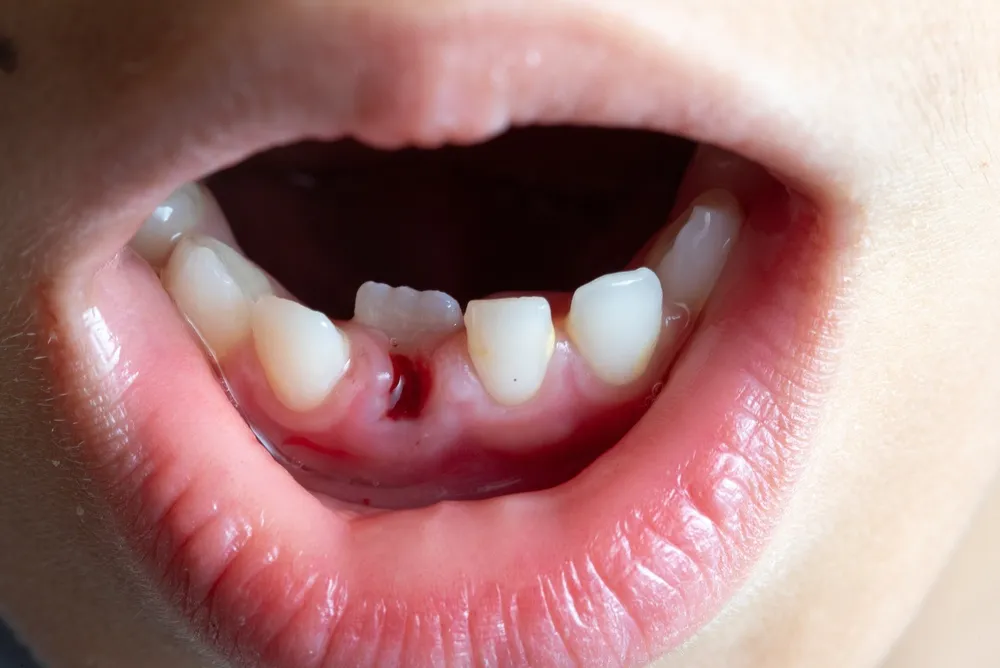
If a baby tooth is knocked out by injury, do not attempt to reinsert it. Reinserting a primary tooth can damage the developing permanent tooth beneath. Control bleeding with gentle pressure, apply a cold compress to reduce swelling, and call an emergency dentist for guidance.
If an older child loses a permanent tooth to trauma, treat it like an adult emergency. Follow the same first-aid steps: handle by the crown, try reinsertion if possible, otherwise keep it moist and get to an emergency dentist immediately.
- Naturally loose baby tooth: usually no emergency. Rinse with water or saline, use gauze for brief bleeding, and monitor for soreness.
- Baby tooth knocked out by trauma: never reinsert. Control bleeding with gentle pressure, use a cold compress, and call an emergency dentist for the next steps.
- Child’s permanent tooth knocked out: follow adult steps and go to an emergency dentist or endodontist right away.
- When to call immediately or go to the ER: heavy, uncontrolled bleeding; suspected jaw fracture; loss of consciousness; severe facial injury; or if you suspect your child may swallow the tooth when trying to hold it in the mouth.
What the Emergency Dentist May Do to Treat Your Knocked-Out Tooth
At your emergency visit, the dentist will examine your mouth, take X-rays, and assess the socket and tooth. If reimplantation is possible, the area may be gently cleaned, and local anesthesia may be used to keep you comfortable.
The dentist will reposition the tooth into the socket and stabilize it with a small, temporary dental splint that connects it to neighboring teeth. This protects the tooth while the surrounding bone and ligament begin to heal.
Follow-up visits are scheduled to monitor healing. Many avulsed teeth require root canal therapy, often coordinated with an endodontist, to prevent infection and improve long-term stability. Healing of bone and ligament typically progresses over weeks to months.
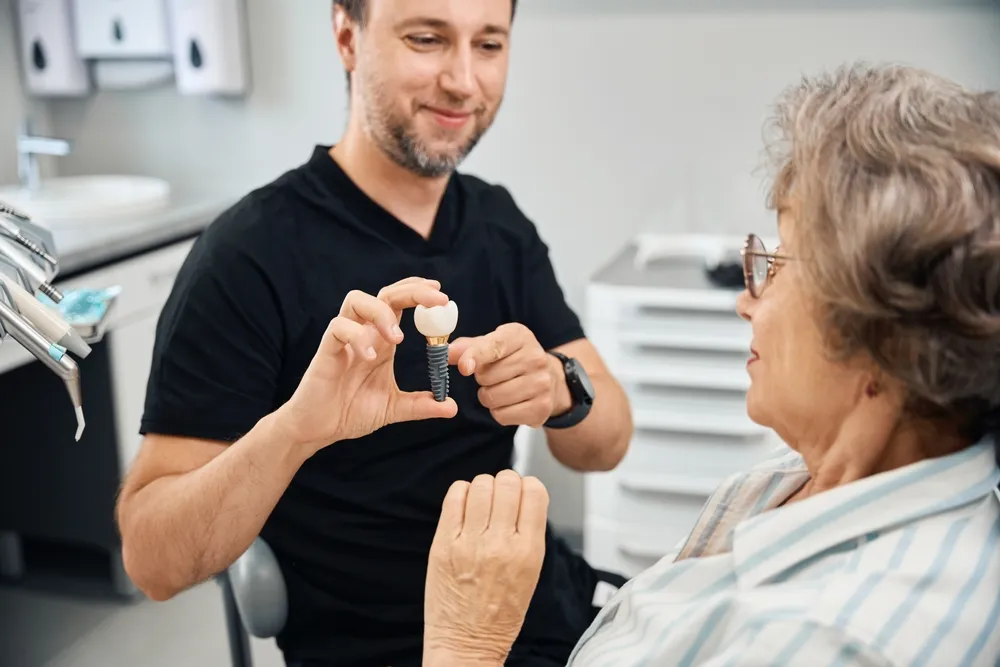
If the tooth cannot be saved, your dentist will discuss replacement options such as a dental implant, a fixed bridge, or a removable partial denture. Your comfort, function, and appearance are priorities throughout treatment, and pain control options will be reviewed at each step.
How to Prevent Future Tooth Loss
Many dental avulsions occur during sports, in accidents, or due to weakened teeth. A few preventive steps can significantly lower your risk and protect your smile. Strong teeth and gums are more resilient. Daily brushing and flossing, along with routine professional cleanings and exams, help prevent decay and gum disease that can loosen teeth.
- Wear a properly fitted mouthguard for contact sports and high‑risk activities.
- Use a night guard if you grind or clench your teeth.
- Avoid chewing ice, hard candy, and other hard objects; do not use teeth as tools.
- Maintain twice-daily brushing with fluoride toothpaste and daily flossing.
- Keep regular dental checkups and cleanings to catch issues early.
- Treat gum disease promptly to protect supporting bone and ligaments.
- Repair or replace loose, broken, or ill-fitting dental work.
- Practice general safety: wear seatbelts, secure children in sports helmets, and follow workplace safety rules.
For ongoing protection and personalized guidance, schedule preventive visits at All Smiles Care in Westminster, MD. We can fit you for protective appliances, spot problems early, and keep your teeth healthy in the long term.
Emergency Dental Care for a Knocked-Out Tooth in Westminster, MD
A knocked-out permanent tooth is always an emergency—even if pain is minimal. Prompt care improves the odds of saving the tooth and reduces the risk of complications. All Smiles Care serves Westminster, MD, and surrounding communities with same-day emergency appointments whenever possible.
When you call, tell us when and how the injury happened, where the tooth has been stored, whether you tried to reinsert it, and what symptoms you are noticing. Share any medications, allergies, or other injuries so our team can prepare appropriately.
Go straight to a hospital ER if you suspect a jaw fracture, have uncontrolled bleeding, experience loss of consciousness, or have severe facial trauma. Otherwise, contact All Smiles Care first for urgent dental treatment and guidance on safe transport.
Frequently Asked Questions
What should I do immediately if my adult tooth is knocked out?
Pick up the tooth by the crown only, give it a quick rinse with saline or cold milk if dirty, try to reinsert it into the socket, and bite gently on gauze to hold it in place. If you cannot reinsert it, keep it moist in cold milk, a preservation kit, or saline. Control bleeding with gentle pressure, apply a cold compress, call an emergency dentist, and head in right away.
How do I save a knocked-out tooth until I reach the dentist?
Keep the tooth moist at all times. Best options are back in the socket, cold milk, a tooth preservation solution, or sterile saline. As a last resort, hold it in your cheek if you will not swallow it. Avoid storing it in plain water. Get to an emergency dentist or endodontist within about an hour.
What should I do if my child’s tooth falls out?
If a naturally loose baby tooth falls out, it usually is not an emergency—rinse, apply gentle pressure if needed, and monitor. If a baby tooth is knocked out by injury, do not reinsert it; call an emergency dentist. If a permanent tooth is knocked out, follow adult steps and seek emergency care immediately.
How long does a reimplanted tooth take to heal?
Soft tissues usually begin healing within 1–2 weeks. Stabilization with a splint often lasts 1–2 weeks for simple cases. Bone and ligament healing continue over several weeks to months. Many avulsed teeth also need root canal therapy within the first couple of weeks to protect long-term health.
What if the tooth cannot be found or is too damaged to save?
Your dentist will treat the injury, protect nearby teeth and tissues, and discuss replacement options such as a dental implant, bridge, or partial denture. Starting care promptly helps control pain, reduce the risk of infection, and plan for an optimal restoration.