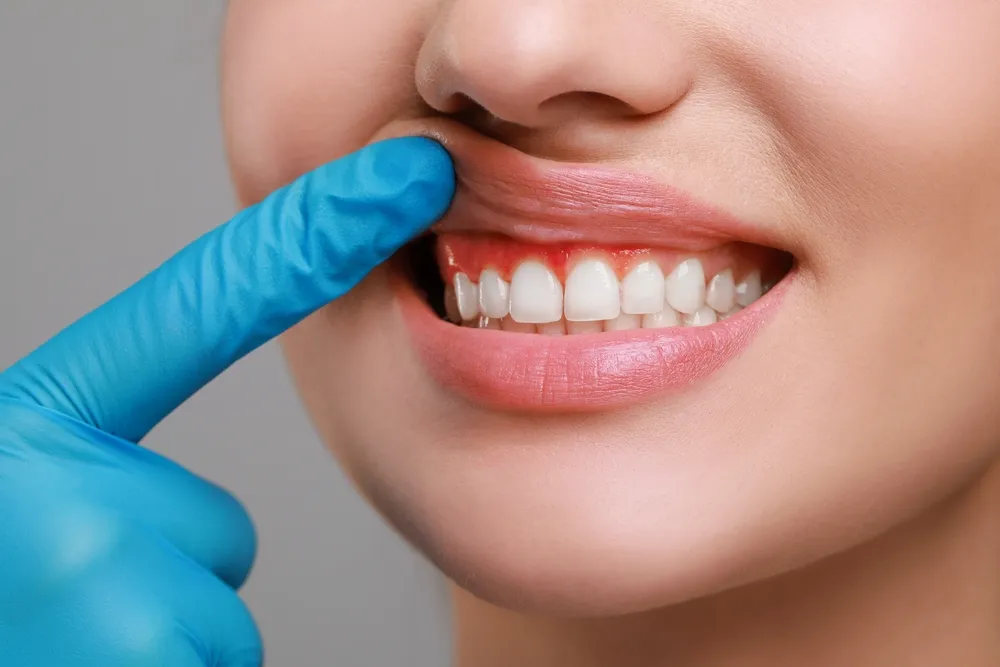

Gum recession is a common but often overlooked oral health issue that can lead to significant discomfort and long-term complications if left untreated. Understanding what gum recession is, what causes it, how to relieve the pain, and how to treat and prevent it can help protect your overall oral health.
What is gum recession?
Gum recession, also known as gingival recession, is a gradual process in which the gums pull away from the teeth. This exposes sensitive areas of the teeth and underlying nerve endings, which can lead to pain, sensitivity, and a higher risk of tooth decay. It is often part of a broader bacterial infection known as gum disease.
Gum disease progresses in stages. Gingivitis is the earliest phase and involves irritation, swelling, and bleeding caused by plaque buildup. If untreated, it can progress to periodontitis, where plaque hardens into tartar and creates pockets that trap bacteria. In advanced periodontitis, gum recession worsens, bone loss occurs, and teeth may eventually loosen or fall out.
How to know if your gums are receding
Gum recession develops gradually and may not be immediately noticeable. Common signs include tooth sensitivity, bleeding during brushing or flossing, and persistent bad breath or an unpleasant taste in the mouth. Tender or irritated gums can also indicate early stages of gum disease.
What causes gum recession?
Gum recession does not occur overnight. It is typically the result of multiple contributing factors over time. Common causes include:
- Plaque and tartar buildup from inadequate brushing, which can erode enamel and irritate gums.
- Brushing too aggressively, which can damage gum tissue and tooth enamel.
- Smoking and tobacco use, which expose the body to harmful chemicals and contribute to gum damage.
- Periodontal disease, a serious infection that affects the gums and supporting bone structure.
Additional factors that may increase risk include age, genetics, diabetes, poor nutrition, hormonal changes, certain medications, drug use, and mouth piercings. Poor dental care habits play a central role in many cases.
How to relieve gum pain
Pain from receding gums is often related to exposed nerve endings and inflammation. Several at-home methods may help reduce discomfort:
Hot or cold compress
Applying a warm or cold compress to the outside of the face can help reduce pain and inflammation.
Saltwater rinse
Rinsing with warm saltwater can help reduce bacteria and soothe irritated gum tissue.
Tea bags
Chamomile tea bags may help reduce inflammation, while black and green tea can support cleansing.
Hydrogen peroxide rinse
A diluted hydrogen peroxide solution can help manage swollen gums and reduce bacteria when used occasionally.
Turmeric
Turmeric paste may be applied to the gums for its antioxidant and anti-inflammatory properties.
These approaches may provide temporary relief, but they do not address underlying causes.
How to treat gum recession
Professional dental care is often necessary to treat gum recession effectively and prevent progression. Treatment options may include:
- Bacterial testing to identify harmful microorganisms and guide treatment.
- Full-mouth disinfection to eliminate bacteria throughout the oral cavity.
- Scaling and root planing to remove plaque, tartar, and toxins from below the gum line.
- Laser therapy to remove diseased tissue and reduce bacteria with minimal discomfort.
Treatment plans vary based on the severity of the condition. Ongoing home care, such as medicated rinses, water picks, and electric toothbrushes, may also be recommended to support healing.
How to prevent gum recession
Prevention begins with consistent oral hygiene. Brushing and flossing daily helps remove plaque and reduce the risk of gum disease. Using proper brushing technique is important to avoid gum damage. Avoiding tobacco use and maintaining a balanced diet can also reduce risk. Routine dental visits are critical for early detection and management. Addressing symptoms early can prevent progression to more severe stages of gum disease and reduce the likelihood of long-term complications. Gum recession can worsen over time if left untreated, increasing the risk of tooth loss and other health problems. Early action is essential to maintain oral health.
If you are experiencing symptoms of gum recession or want a professional evaluation, contact All Smiles Care today. Our team provides thorough examinations and customized treatment plans designed to restore comfort and protect your smile.