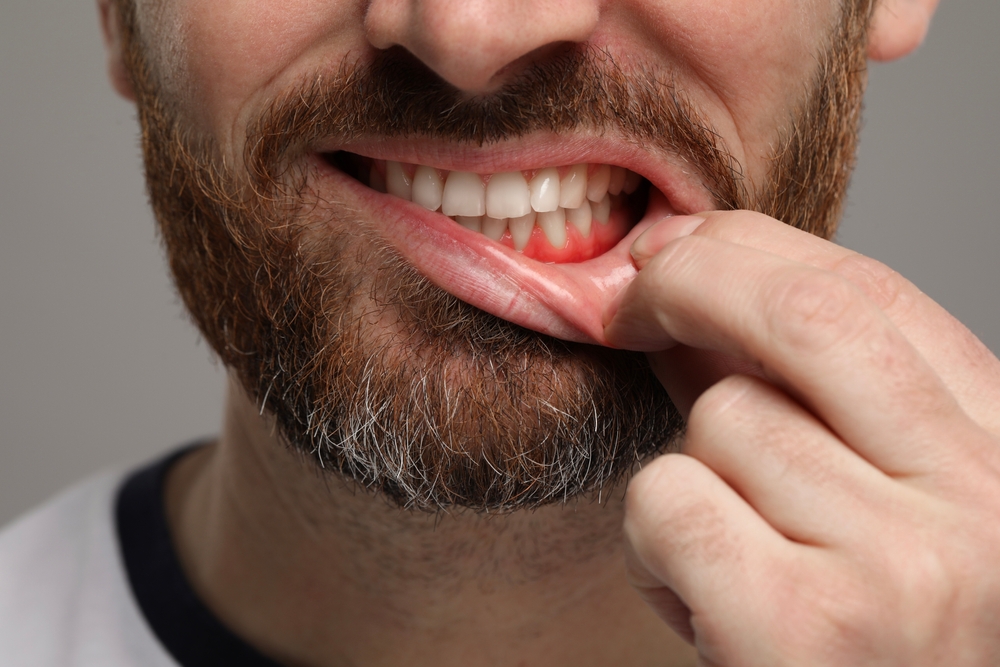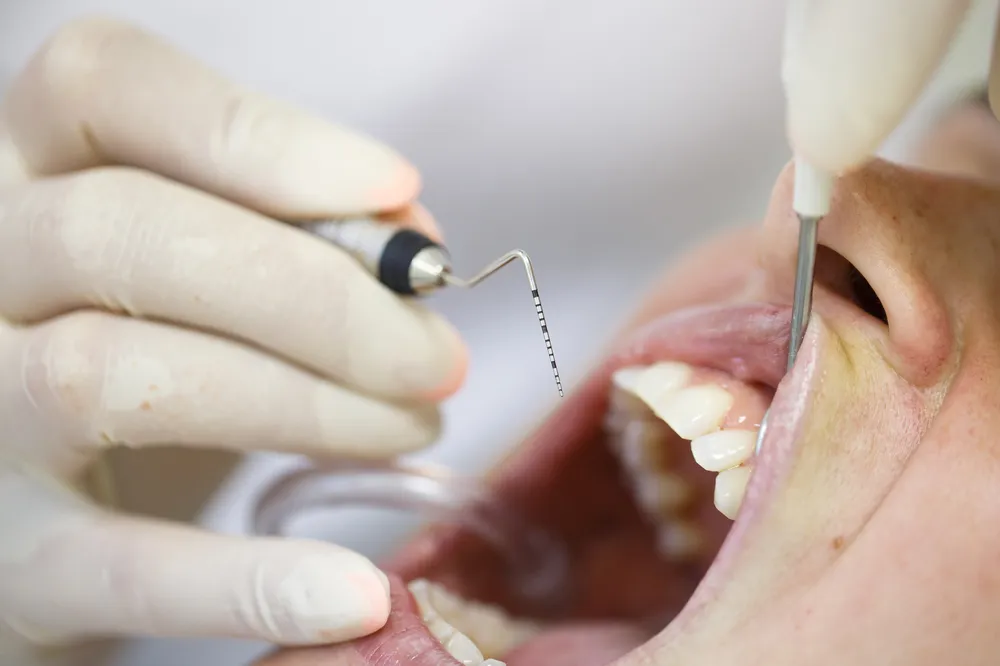
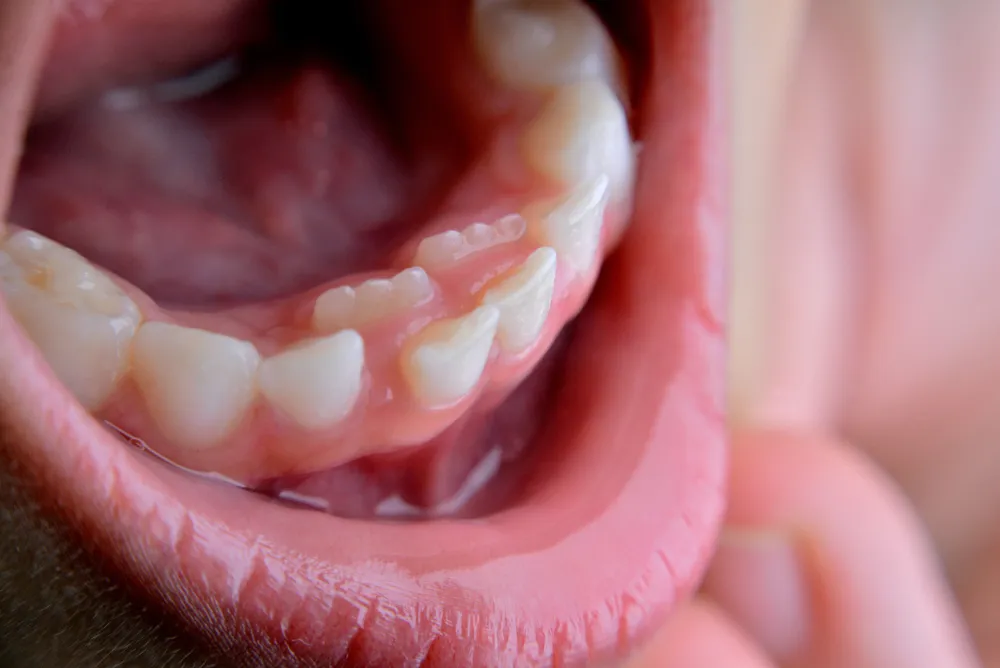
Uneven gums are fairly common, but sometimes they can negatively affect the health or self-confidence of the people that have them. Not all uneven gums are created equal, however, so let’s take a closer look at the various causes, concerns, and treatments of uneven gums.
Causes of an Uneven Gum Line
Uneven gums can be caused by dental problems, but they can also occur naturally. If your genetics gave you small teeth, short teeth, an overgrown upper jaw bone, a short upper lip, and/or excessive gums, you might have a naturally uneven gum line. Otherwise, a dental injury, a dental problem that causes gum recession, poor oral hygiene, or uneven tooth wear, might be to blame.
Potential Problems From Uneven Gums
While having an uneven gum line might just be a cosmetic issue for some, others may experience actual health detriments because of it. For example, uneven gums may make it harder to properly clean one’s teeth. Also, if the uneven gum line is being caused by receding gums, that might be a marker of gum disease, which requires timely treatment.
Treatment Options for Uneven Gums
Whether your issue with uneven gums is cosmetic or health-related, fear not, as there are a handful of approaches you can take to fix the problem.
Gingivoplasty
Gingivoplasty is a surgical procedure that reshapes uneven gum tissue to look more uniform. It’s best used on patients with average-sized gums that are just uneven or misshapen.
Gingivectomy
Unlike gingivoplasty, which reshapes existing uneven gum tissue, a gingivectomy actually removes excess gum tissue to correct excessive gums or an uneven gum line.
Veneers
Dental veneers are thin coverings that go over the front of your teeth and can change their size and shape. This can make veneers a great potential solution for anyone that has uneven gums on front teeth specifically, but they can help lots of different patients acquire a better ratio of gums to teeth.
Gum Grafting
Gum grafting is a common periodontal procedure used to treat gum recession and protect exposed tooth roots. During treatment, healthy tissue is carefully placed over areas where the gums have pulled away, helping reduce sensitivity, improve appearance, and prevent further recession. Most patients experience mild discomfort and can return to normal routines within 1 to 2 weeks as the area heals.
Crown Lengthening
Crown lengthening reshapes excess gum tissue to reveal more of the natural tooth structure and create a more balanced smile. This procedure is often recommended for patients with “gummy smiles” or for those who need additional tooth structure before restorative treatment. Initial healing occurs within a couple of weeks, but full gum stabilization and recovery can take approximately 6 to 8 weeks.
Laser vs. Traditional Techniques
Modern periodontal procedures may be performed using either laser technology or traditional surgical techniques, depending on the patient’s needs and treatment goals. Laser treatments can offer greater precision, reduced bleeding, and faster healing in some cases, while traditional methods remain highly effective for more advanced concerns. Recovery time varies by procedure, but many gum treatments heal within 1 to 2 weeks, while procedures such as crown lengthening may require 6 to 8 weeks for complete healing.
What to Expect Before and After Treatment
Before your procedure, your periodontist will numb the treatment area with local anesthesia to keep you comfortable throughout the appointment. Mild soreness, swelling, or sensitivity is common after treatment and can usually be managed with prescribed or over-the-counter medications. Patients are typically advised to follow a soft-food diet for several days and avoid strenuous physical activity during the initial healing period. Most people can return to normal daily activities within 24 to 48 hours, although complete healing timelines vary depending on the procedure performed. If sutures are used, they may dissolve on their own or be removed during a follow-up visit.
Aftercare Checklist:
- Follow all prescribed medication instructions
- Eat soft foods and avoid hard or crunchy items
- Avoid smoking and strenuous exercise during healing
- Keep the treatment area clean using recommended oral hygiene instructions
- Attend all follow-up appointments to monitor healing
How to Prevent Uneven Gums
Maintaining healthy gums starts with consistent oral care and healthy daily habits. Gentle brushing with a soft-bristled toothbrush can help prevent gum recession caused by aggressive brushing, while daily flossing removes plaque and bacteria along the gumline. Regular professional cleanings and dental exams allow early signs of gum disease or uneven tissue changes to be treated before they progress. Patients who grind or clench their teeth may also benefit from wearing a custom nightguard to reduce pressure on the gums and supporting structures. Quitting smoking is another important step, as tobacco use can increase the risk of gum disease, delayed healing, and recession.
- Use a soft-bristled toothbrush with gentle brushing pressure
- Floss daily to remove plaque between teeth and along the gums
- Schedule regular professional cleanings and periodontal exams
- Wear a nightguard if you grind or clench your teeth
- Avoid smoking and tobacco products to support gum health
Talk With a Dentist About Uneven Gum Lines Today
Don’t let uneven gums cause mental or physical problems in your life. Let All Smiles Care help you today! You can schedule an appointment online or give us a call to discuss potential treatment options at (410) 876-2096.
Frequently Asked Questions
What is the difference between gum contouring and crown lengthening, and when is each recommended?
Gum contouring (gingivoplasty) reshapes excess soft tissue for a gummy smile localized to the gums. Crown lengthening removes gum and a small amount of bone to expose more tooth when a gummy smile is more severe or a restoration needs room; recovery is about 6–8 weeks. Your dentist determines this based on how much tissue and bone cover the teeth.
Can uneven gums be corrected without surgery?
Sometimes. If the uneven look comes from tooth wear, staining, or old restorations, polishing, whitening, replacing restorations, or limited orthodontics may restore symmetry. When gum tissue itself is the cause, surgical reshaping or grafting is usually needed for lasting results.